Internet Chicks Explained: Influence, Income & Identity
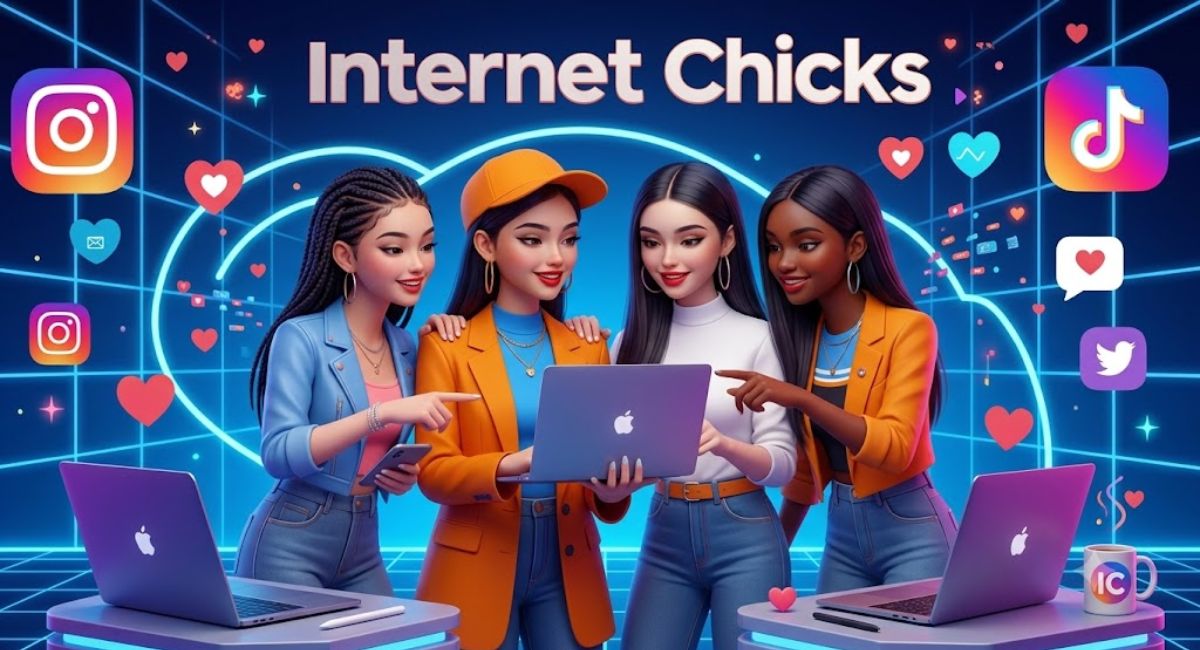
Internet chicks are reshaping the digital world from the inside out. These are women who have built powerful, loyal online communities through creativity, strategy, and relentless authenticity, transforming social media platforms into full-scale career engines. Whether they are lifestyle vloggers, tech educators, wellness coaches, or micro-entrepreneurs, they represent a generation that turned an internet connection into a genuine livelihood.
- What Are Internet Chicks? The Complete Definition
- The Evolution: From Early Blogs to the Creator Economy
- The Niches Where Female Digital Creators Lead
- How Female Online Influencers Build Their Personal Brand
- The Business of Being a Female Digital Creator: Monetization Models
- Real-World Examples and Proof Points
- Challenges Faced by Female Creators in the Digital Space
- The Role of AI and Technology in Female Creator Success
- The Global Footprint of the Digital Creator Movement
- Conclusion: Why This Movement Matters
- Frequently Asked Questions (FAQ)
The creator economy is no longer a side hustle experiment. It is a $234 billion industry in 2026, growing at a compound annual rate of 22.5% and projected to exceed $528 billion by 2030. And at the center of that explosive growth? Women. Female creators account for 72% of all influencers across major platforms, a fact that brands, marketers, and digital strategists can no longer afford to overlook.
This guide covers everything you need to know about female digital creators: who they are, how they grew into cultural powerhouses, what strategies they use, how they monetize, and what the future holds for this fast-evolving community. Whether you are a curious reader, an aspiring creator, or a brand looking to understand this space, this article delivers data-backed insights from every angle.
What Are Internet Chicks? The Complete Definition
The term internet chicks refers to women who establish meaningful visibility, influence, or authority across online platforms not simply by posting content, but by strategically building personal brands and engaged communities. They operate at the intersection of technology, storytelling, and entrepreneurship.
These creators are defined by four key traits:
- They create original content rather than merely consuming it
- They build loyal communities through consistent engagement and authentic interaction
- They monetize their influence through partnerships, digital products, and direct commerce
- They shape cultural conversations across fashion, wellness, technology, finance, and more
It is important to understand that this is not a monolithic group. The term covers micro-influencers with 5,000 engaged followers, mega-creators with 10 million subscribers, tech educators demystifying AI, fitness coaches running digital programs, and gamers streaming live on Twitch. What unites them is their ability to turn digital presence into real-world impact.
The Evolution: From Early Blogs to the Creator Economy
The Early Days: Blogs, Forums, and Personal Websites (1999–2010)
Women were early pioneers of the open internet. Long before Instagram existed, female creators were writing personal blogs, beauty diaries, mommy journals, and lifestyle columns that attracted passionate readerships. Platforms like LiveJournal, Blogger, and early YouTube gave them the tools to share without gatekeepers.
These early creators built the cultural template that modern influencers still follow: authenticity over perfection, community over broadcasting, personal story over corporate messaging.
The Platform Era: Instagram, YouTube, and the Influencer Birth (2010–2018)
With the rise of Instagram in 2010 and YouTube’s maturing monetization system, women gained powerful new stages. Visual storytelling exploded. Beauty tutorials, travel diaries, fashion lookbooks, and fitness transformations went viral at scale.
This period gave rise to a new professional category: the full-time content creator. Brands quickly noticed that consumers trusted influencer recommendations far more than traditional advertisements, triggering a massive shift in marketing budgets.
The Creator Economy Era: TikTok, Monetization, and Global Reach (2019–Present)
TikTok’s arrival changed everything again. Short-form video democratized virality; any creator, regardless of follower count, could reach millions overnight with the right content. Female creators thrived in this environment, leveraging relatability, humor, and authenticity to dominate feeds worldwide.
Today, women now dominate the digital creator space, representing a significant portion of content creators who not only entertain but also educate, mentor, and advocate for social causes, transforming their online presence into influential platforms.
The Niches Where Female Digital Creators Lead
Fashion, Beauty, and Lifestyle
Fashion and beauty remain the most competitive and lucrative content categories. Creators in this space drive purchasing decisions at scale. In fashion, they set trends and influence purchasing decisions. In beauty, their reviews and tutorials drive product sales. Major cosmetics brands now allocate significant portions of their marketing budgets exclusively to creator partnerships.
Health, Wellness, and Fitness
From personalized workout programs to nutrition coaching, female wellness creators have built some of the most loyal audiences online. Creators like Chloe Ting have turned free fitness content into massive global brands, attracting millions of followers and generating sustainable revenue through digital products.
Technology and STEM Education
One of the fastest-growing categories. Many women have been able to make technology more approachable through their platforms, whether it is breaking down complex concepts or reviewing gadgets, wiping off stereotypes, and bringing more women into STEM fields. These creators are expanding digital literacy and inspiring the next generation of female technologists.
Gaming and Live Streaming
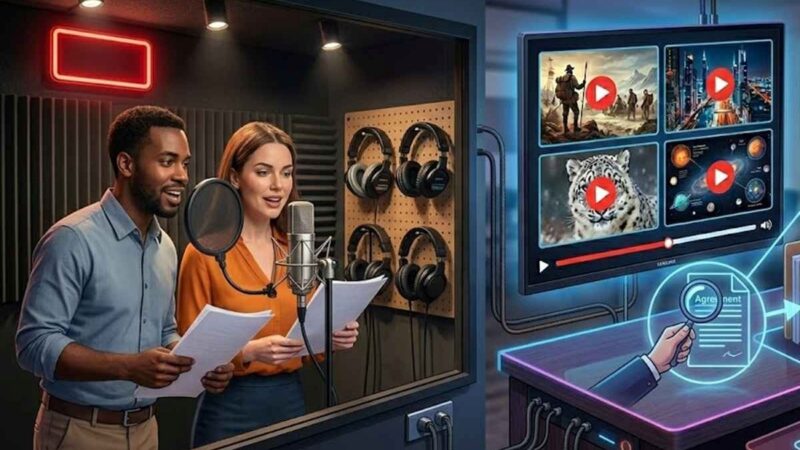
In 2025, many female streamers are among the top creators on Twitch and YouTube Gaming. They play games, chat live with fans, and build communities, showing that tech and gaming are for everyone, not just one demographic. This growth has also opened doors in adjacent content spaces; for instance, YouTube documentary channels are now hiring more voice narrators, a trend largely driven by the rising demand for diverse, authentic female voices in digital storytelling.
Finance, Entrepreneurship, and Digital Business
A newer but rapidly expanding category. Female finance creators are breaking down investing, budgeting, and entrepreneurship for audiences who were traditionally underserved by financial media. These creators blend education with personal storytelling, creating content that is both actionable and deeply relatable.
How Female Online Influencers Build Their Personal Brand
Building a strong digital presence is not accidental; it is strategic. The most successful female creators follow a deliberate framework:
- Identify a specific niche: Broad is forgettable. The most successful creators own a defined topic area and become the go-to authority within it.
- Choose platforms intentionally: A fitness creator may thrive on YouTube and Instagram, while a finance educator might prioritize LinkedIn and TikTok. Platform choice must align with where the target audience actually spends time.
- Master the algorithm: Visibility online depends heavily on understanding how platforms rank and distribute content. Platforms prioritize content that engages users, keeping them on the site longer. Creators optimize video hooks, text formatting, post timing, and pacing to match these signals.
- Create consistently: Consistency signals reliability to both algorithms and audiences. Most successful creators publish on a fixed schedule, even if it means producing less perfect content more regularly.
- Engage genuinely: Comments, DMs, live sessions, and community posts create the two-way relationship that transforms passive viewers into loyal fans.
- Adapt and iterate: The digital landscape changes constantly. Algorithm updates, platform shifts, and audience preference changes require creators to stay flexible and data-informed.
The Business of Being a Female Digital Creator: Monetization Models
Sponsored Content and Brand Partnerships
The most common revenue stream. The influencer marketing industry is projected to reach $21.1 billion by 2025, with top influencers earning thousands of dollars per sponsored post. Brands collaborate with female creators because their audiences trust their recommendations, often far more than traditional advertising.
According to research from Collabstr’s 2025 report, female influencers continue to dominate influencer marketing, holding a 70% share of the market, underscoring their leading role in the space.
Digital Products and Online Courses
Creators with deep expertise increasingly package their knowledge into paid digital products, eBooks, online courses, templates, and membership communities. This model offers passive income potential and greater independence from brand deal fluctuations.
Affiliate Marketing
By recommending products and earning a commission on resulting sales, creators generate income without managing inventory or customer service. 98% of creators generate income from affiliate commissions, while 77% rely on brand partnerships.
Merchandise and Physical Products
Many established creators launch branded merchandise or niche product lines. This transforms personal brand equity into tangible commerce and deepens community identity.
Subscriptions and Community Access
Platforms like Patreon and YouTube memberships allow dedicated fans to pay monthly for exclusive content. Creators on Patreon surpassed $10 billion in cumulative payouts and reached over 25 million memberships in 2025.
Real-World Examples and Proof Points
Understanding this space is easier with concrete examples:
- Alix Earle built a multi-million dollar brand through unfiltered, candid “Get Ready With Me” videos on TikTok, proving that authenticity outperforms production value.
- Charli D’Amelio grew from a teenage dancer into a business empire, with a reported net worth of $20 million by 2025 and earnings exceeding $100,000 per sponsored post.
- Marina Mogilko (Lingua Marina) built an educational empire teaching language learning and entrepreneurship, growing multiple YouTube channels to millions of subscribers while running a business consulting firm.
- Chloe Ting converted free workout content into a global fitness brand, demonstrating how value-first content creation attracts enormous organic audiences.
These examples reflect a broader truth: these women are not just pretty faces or trend followers; they are digital creators, entrepreneurs, activists, and trendsetters who wield immense influence over millions.
Challenges Faced by Female Creators in the Digital Space
The creator lifestyle is frequently romanticized, but it comes with very real challenges that require resilience and strategy:
Algorithm Dependency: A single platform update can drastically reduce reach overnight, making diversification across multiple platforms essential for sustainable careers.
Income Volatility: Brand partnerships, affiliate commissions, and ad revenue all fluctuate. Successful creators build multiple income streams to reduce financial risk.
Online Harassment and Cyberbullying: Female creators face disproportionate levels of online hostility, often tied to their gender, appearance, or opinions. Many have had to develop boundary-setting strategies and community moderation systems.
Burnout: The pressure to produce consistently high-quality content at high frequency creates significant mental health strain. Constant content creation can be exhausting, and algorithm dependence means that platform changes can affect visibility at any time.
Privacy: Sharing personal life online invites scrutiny that can feel deeply invasive. Successful creators carefully define what they share publicly versus what they keep private.
Despite these challenges, the creator community continues to grow. The key differentiator between creators who thrive long-term and those who burn out is a sustainable strategy treating content creation as a business rather than a performance.
The Role of AI and Technology in Female Creator Success
Internet chicks are embracing tools like ChatGPT, Canva AI, and video editing automation to streamline workflows and scale content production. AI is reducing the time burden of content creation, allowing creators to focus on strategy, community building, and product development.
Emerging technologies shaping the future of this space include:
- AI-powered video editing that reduces production time from hours to minutes
- Predictive analytics that inform content strategy based on engagement data
- Virtual reality and metaverse environments that create entirely new formats for creator-audience interaction
- AI avatar creators that blur the line between human and digital personalities
The creators who embrace these tools early while maintaining authentic human connection will define the next chapter of digital influence.
The Global Footprint of the Digital Creator Movement
This is not a Western-only phenomenon. The term has expanded beyond just entertainment; it now represents the creator economy, influencer-driven marketing, and the business side of social media, with a global reach spanning from Pakistan to the US, with creators shaping global culture and commerce.
Regions experiencing the fastest creator economy growth include:
- Asia-Pacific: Projected to grow from $26 billion in 2025 to $75 billion by 2032
- Africa: Creator economy valued at over $3 billion in 2024, expected to grow fivefold by 2030
- North America: The largest and fastest-growing market, scaling from $34 billion in 2025
This global expansion means female creators in emerging markets are accessing audiences and revenue streams that were previously inaccessible without traditional media infrastructure.
Conclusion: Why This Movement Matters
The rise of internet chicks is not a trend; it is a structural transformation of how influence, media, and commerce work in the modern world. 51.9% of content creators in the industry are women, and their collective impact spans culture, education, entrepreneurship, and technology.
For aspiring creators, the message is clear: the tools are accessible, the audience is global, and the opportunity is real. Success requires niche clarity, platform strategy, authentic storytelling, and the resilience to adapt as the digital landscape evolves.
For brands and marketers, the data confirms what many already instinctively know: female digital creators are among the most trusted voices in the modern media ecosystem, and partnerships built on genuine alignment outperform traditional advertising at every measurable level.
The creator economy will only grow larger and more sophisticated. The women driving it are building not just audiences but legacies.
Frequently Asked Questions (FAQ)
What does the term “internet chick” mean in today’s context?
In modern usage, the term refers to women who have built meaningful online influence through content creation, personal branding, and community building across platforms like TikTok, YouTube, and Instagram. It describes female digital creators who operate at the intersection of technology, creativity, and entrepreneurship, not just casual social media users.
How do female digital creators make money online?
The most successful creators use multiple revenue streams simultaneously: sponsored brand partnerships, affiliate marketing commissions, digital product sales (courses, eBooks, templates), platform ad revenue, merchandise, and paid community memberships. Diversification across these streams creates income stability.
Which social media platforms are best for female creators in 2026?
TikTok, Instagram, and YouTube remain the top three platforms. TikTok excels for viral discovery and short-form engagement. Instagram dominates brand partnership deals, with Reels outperforming standard posts by 55% in engagement. YouTube offers the strongest monetization through long-form content and the highest per-view ad revenue rates.
What niches are most profitable for women content creators?
Finance and investing, technology education, health and wellness, fashion and beauty, and online entrepreneurship coaching consistently rank among the most profitable niches. The most lucrative creators typically combine passion with genuine expertise and build communities rather than just audiences.
What are the biggest challenges female online creators face?
Algorithm unpredictability, income volatility, online harassment, creative burnout, and privacy management are the most commonly cited challenges. Long-term sustainable success comes from platform diversification, multiple income streams, strong community boundaries, and treating content creation as a business with strategy, not just a passion project.