Iran War’s Hidden Game: 220M Ton Zinc-Lead Wealth
Because of the really tough western sanctions, it’s basically impossible for iran to sell stuff in us and european markets. so, you won’t find any us lead mining companies chilling in iran, and the minerals iran does manage to export? they usually go through places like china.
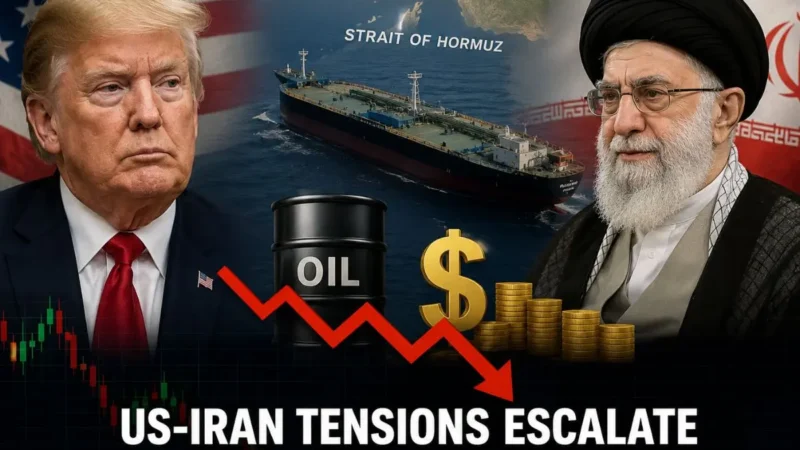
Most of the time when people talk about iran, it’s all about oil and that whole strait of hormuz thing. but honestly, if you ask me or the experts, the story is much bigger than that. iran actually has a huge chunk of the world’s zinc and lead reserves, like over 3 percent of it all. that’s why its minerals are such a big deal to pretty much any country with global ambitions.If you have not yet read our breakdown of how this conflict escalated, start with our detailed analysis of the US-Iran Ceasefire Broken it provides the essential context for everything discussed here.
Due to harsh sanctions imposed by the West Iran is virtually cut off from markets in the US and Europe. So there are no US lead mining companies in Iran and Iran is still exporting its minerals through Asian countries such as China.
“This war is not only about Hormuz and oil. It’s about ideology and critical minerals too,” says foreign affairs expert Robindar Sachdev. “Iran has more than 3 percent of the world’s zinc and lead reserves, so the world is watching it, because today countries need critical minerals for development.
He also said that Iran has large reserves of copper which are needed by the whole world including the United States. But this is obviously not just about oil and the Strait of Hormuz, but about future global mineral and strategic competition.
Iran’s Hidden Treasure: The World’s Largest Zinc-Lead Reserve Nobody Talks About
Iran is known for its oil and gas reserves and yet it has another natural resource that is believed to be vital for the global industry. Iran holds some 220 million tons of reserves of zinc and lead ore, or around 5 percent of the world’s total. So, Iran is the fourth producer of zinc and silver in Asia.
The main mining strengths of Iran are the Angouran and Mehdiabad mines. Angouran mine is the largest lead and zinc mine in Middle East and is situated in Zanjan Province. It has over 16 million tons of high grade ore averaging 26% zinc and 6% lead.
Iran has the ability to produce some 450,000 tonnes of zinc ingots a year. Some 80% of this production is exported to 15 countries, which produces an export potential of some $2 billion annually. Current reserves contain approximately 11 million tons of zinc metal and 5 million tons of lead. This means that the mineral sector, in addition to energy, could become a key pillar of Iran’s economy and global supply chain.
Who Really Controls Iran’s Mines — And Why The World Is Not Talking About It
Iran’s lead mining industry is mostly made up of state-owned and private domestic companies, but its real strength is in its strategic relationships with China and Russia. With Western sanctions in place, Iran has built its mineral trade on a web of investments, technology and the largest market, all provided by China and Russia.
Iran’s zinc, silver and lead mines are mostly run by domestic companies including Iran Zinc Mines Development Co. (IZMDC), Bama Mining & Industrial Co., Zarin Industrial and Mining Group and Calsimin Co. and not directly owned by Russia or China.
“China is the biggest buyer. Iranian companies export semi-processed lead and zinc concentrates to Chinese companies. Iran’s metal processing and smelter infrastructure is also supported by engineering companies such as the China Nonferrous Metal Mining Group (CNMC).
Russia is also actively involved as partner in projects of investment and mineral exploration. Russian companies such as Ural Mining and Metallurgical Company (UMMC) have spoken before about consortium investments in major Iranian mining projects.
Why Lead and Zinc Are More Valuable Than You Think
Lead and zinc are the backbone of the modern industrial, energy & infrastructure sectors. Lead-acid batteries make up more than 80% of the lead produced worldwide, and are critical for vehicle starting, telecom backup and off-grid energy storage. Lead is also used extensively in electronic circuits, soldering, X-ray machines and as radiation protection in nuclear plants.
Zinc is the second most widely used non-ferrous metal in the world after copper and aluminum. It is used primarily as a rust preventive and for galvanizing iron and steel. Zinc is also important in brass, rubber, paint, sunscreen, pharmaceuticals and many consumer products. It is also an important mineral for the immune system and for cell growth of the human body.