US-Iran Ceasefire Broken: Oil, Hormuz & India Now
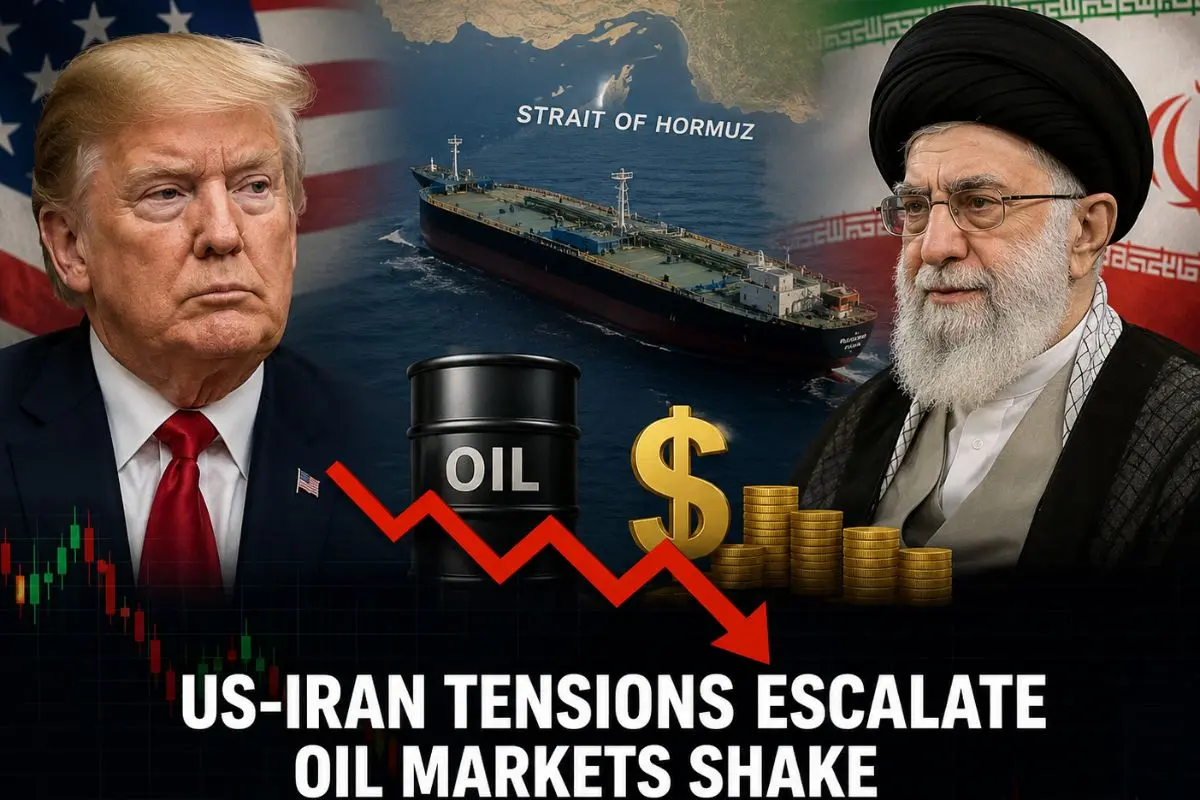
Iran-US War: US President Donald Trump has abolished the deal made with Iran in June. If the situation worsens, it will directly impact the pockets of common people in India.
The ceasefire that was signed three weeks ago between the US and Iran has now broken down. US President Donald Trump has made it clear the ceasefire is over. Later, the US military attacked over 80 Iranian military bases, and Iran attacked US bases in Bahrain and Kuwait. The impact of this conflict is no longer confined to West Asia. The world is watching the oil market and the Strait of Hormuz because they are the key to the future of the world economy.
This time is also critical for India. Inflation, rupee movement, cooking gas, the stock market, and the festive season and not just oil are the factors. The US announced the end of the June agreement, and the next 40 days will determine whether the situation will return to normal or tensions will escalate. If the situation escalates, it can hit the pockets of the common man directly in India.
Front Number One – Will Petrol And Diesel Become Expensive?
The prices of Brent crude had come down to $69-70 a barrel during the ceasefire, but after the escalation of tensions, they have again crossed $78 a barrel, which means the prices of crude oil have gone up by almost 7 percent in just a few days. India imports nearly 85 percent of its crude oil requirements, and therefore any increase in the global prices affects India.
Petrol and diesel prices are stable across the country at present. Currently, petrol is being sold at the rate of ₹102.12 per liter in Delhi. But energy experts believe that if the price of Brent crude oil remains between $75 and $78, the pressure on oil companies to raise fuel prices could increase in the next two to four weeks. If prices reach $85 to $90 per barrel, the potential for fuel prices to rise further will increase.
Second Front—Why Is the Strait of Hormuz Such a Big Deal?
About 20 percent of the world’s seaborne oil trade passes through the Strait of Hormuz. This is why growing tensions along this sea route are a matter of global concern. India has changed its strategy in recent years. Now, around 70 per cent of the country’s crude oil is sourced from alternative sources outside of Hormuz, up from around 55 per cent before. But the real worry is about LPG and LNG, say experts.
Their supply is still very dependent on the Gulf region. Any disruption in the shipping traffic through the Strait of Hormuz may affect the cooking gas, CNG and PNG. Other imported goods could also be affected by higher costs for marine insurance and shipping.
Third Front: How Much Will It Impact Inflation & Rupee?
It’s not just at the petrol pumps that oil costs a lot. “India will have to spend more dollars to buy oil. It will put pressure on the rupee. The rupee weakened to its lowest level in nearly a month on Wednesday, sliding about 60 paise to 95.56 per dollar. A weak rupee makes imports such as electronics, edible oils and machinery costlier. This slowly impacts inflation. The festive season kicks off in August and September with demand from the market picking up. If the oil remains expensive and the rupee remains weak during that period, inflationary pressures may build up ahead of the festivals.
Fourth Front. Why Bother With The Stock Market?
The tensions have already been felt in the stock market. Sensex fell 1,677 points, India VIX jumped nearly 30 percent, and investors lost nearly ₹9 lakh crore in wealth. Experts say there are three things the market will be watching over the next 40 days. First, how the US-Iran tensions play out. The second was the US Federal Reserve’s decision in July. Third, whether the negotiations between the two countries will go on or break down completely by mid-August. If there is no relief on these fronts, market volatility may increase further.
Why Do the Next 40 Days Matter for India?
India has certainly diversified the import sources of oil, but it is not completely secure. If tensions ease, the Strait of Hormuz remains open, and crude oil prices dip below $75 a barrel, India could get some relief. But if the war continues and supply is impacted and oil prices breach $85-90 a barrel, it will not be just petrol and diesel that will be impacted.
Pressure can build up on all fronts – cooking gas, CNG, inflation, the rupee, and stock markets. This means that the conflict in West Asia may be thousands of kilometers away, but the next 40 days will decide how expensive oil will be in India, how much inflation will rise, and how much burden it will place on the common man’s pocket.