
What Equipment Does a Curtain Cleaning Service Use?
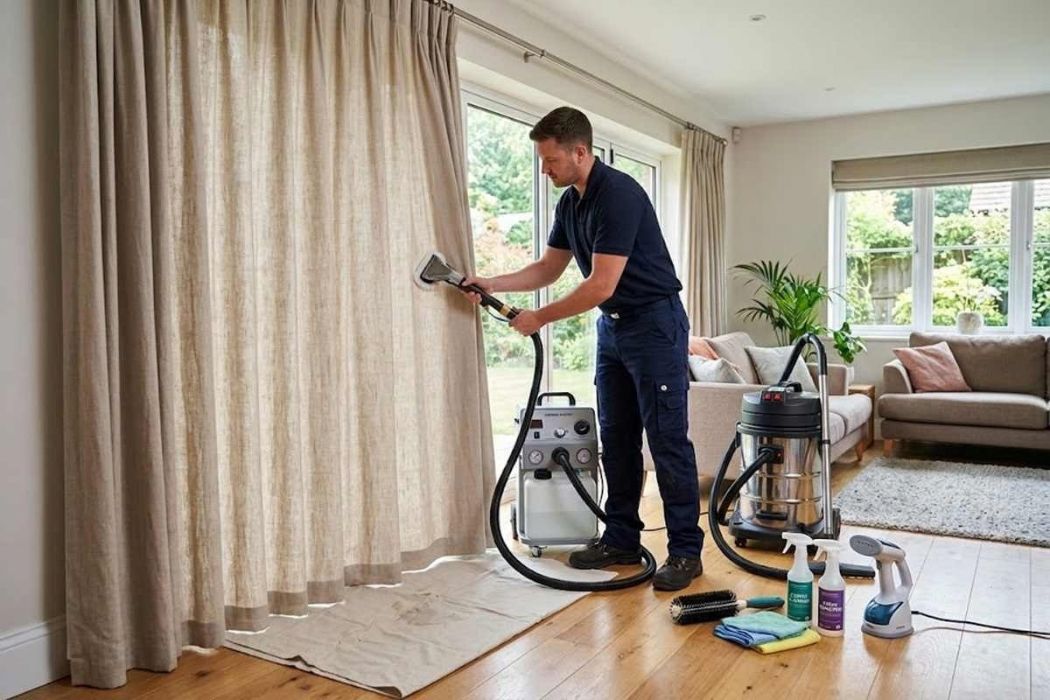
Curtains add privacy, comfort, and style to homes and offices, but they can also collect dust, pet hair, allergens, odors, and other airborne particles. Over time, this buildup can make curtains look dull and affect the freshness of the room. While regular vacuuming can remove some surface dirt, professional curtain cleaning requires specialized equipment and techniques to achieve a more thorough clean.
A professional Curtain Cleaning Service chooses equipment according to the fabric type, level of dirt, curtain size, and cleaning method required. Some curtains may need gentle vacuuming, while others can benefit from steam or extraction cleaning. Using the right equipment helps technicians clean effectively while reducing the risk of shrinking, discoloration, stretching, or other fabric damage.
What Equipment Does the Service Use?
1. Vacuum Cleaners
Professional vacuum cleaners are commonly used as an initial step in Curtain Cleaning Service. Curtains can contain large amounts of loose dust, hair, and debris, especially within folds, pleats, hems, and seams. Removing these particles before applying moisture helps prevent dirt from becoming more deeply embedded in the fabric.
Professional machines usually come with fabric-friendly attachments that provide better control than ordinary floor vacuum cleaners. Soft brushes and upholstery heads can remove surface debris without applying excessive pressure. This makes vacuuming a useful preparation step for both light and deep curtain cleaning.
2. Steam Cleaners
Steam cleaning machines use heated water to produce steam that can loosen dirt and refresh suitable curtain fabrics. The heat can help break down accumulated grime while also providing a convenient way to treat curtains that cannot easily be removed. When handled correctly, steam can refresh the appearance and feel of certain materials.
However, not every curtain is suitable for steam cleaning. Some fabrics may react badly to heat or moisture and could shrink, fade, or lose their shape. Professional cleaners therefore examine the fabric and care instructions before using steam equipment. Proper temperature and moisture control are essential when this method is selected.
3. Extraction Machines
Extraction machines are designed for deeper fabric cleaning. They generally apply a controlled amount of cleaning solution before powerful suction removes the loosened dirt and moisture. This process can reach contaminants that ordinary surface cleaning may not remove.
These machines also provide better moisture control than many household cleaning methods. Removing excess liquid is particularly important when cleaning thick curtains because heavy fabric can retain moisture for an extended period. Proper extraction can help reduce drying time and minimize the possibility of damp odors.
4. Upholstery Tools
Curtains often require equipment similar to that used for upholstery because both involve fabric surfaces that need careful treatment. Professional cleaners may use specialized upholstery tools to clean different sections of curtains while maintaining control over pressure, suction, and moisture.
Common upholstery tools used during fabric cleaning may include:
- Upholstery brushes
- Fabric-cleaning heads
- Crevice attachments
- Soft-bristle attachments
The choice of attachment depends on the curtain’s material, construction, and condition. Using the correct tool allows technicians to work more precisely and reduces the chance of applying unnecessary pressure to sensitive fabrics.
5. Handheld Tools
Professional Curtain Cleaning Service does not rely entirely on large machines. Smaller handheld tools are often used for detailed cleaning and stain treatment. These tools give technicians more control when working on delicate areas, decorative sections, or individual marks.
Soft brushes, microfiber cloths, applicators, and spot-cleaning tools can be selected according to the curtain’s material and condition. Similar fabric-care principles are also useful for other household textiles, including when a Mattress Cleaning Service handles delicate or heavily soiled fabric surfaces.
6. Moisture Control Equipment
Moisture management is an important part of curtain cleaning, particularly when water-based methods are used. Leaving curtains excessively wet can increase drying time and may contribute to unpleasant odors. Professional cleaning equipment is therefore selected not only for its cleaning ability but also for its capacity to manage moisture.
Technicians may rely on extraction systems and drying equipment to remove or evaporate moisture more efficiently. The amount of moisture used and removed depends on the fabric and cleaning method. Proper moisture control helps protect the curtains while making the cleaning process more convenient for customers.
7. Air Movers
Air movers are portable machines that circulate air around recently cleaned curtains. They are particularly useful after moisture-based cleaning because improved airflow can support faster evaporation. This can help curtains become ready for normal use sooner.
Professionals position air movers carefully to encourage airflow across the fabric without disturbing the curtains or surrounding furnishings. Faster drying is also useful for reducing the amount of time fabric remains damp. The exact drying approach depends on the material and amount of moisture present.
8. Stain Removal Tools
Some curtain stains require targeted treatment before the main Curtain Cleaning Service. Professional cleaners may use specialized applicators, brushes, and other small tools to apply stain treatments precisely. This allows them to concentrate on affected areas instead of applying unnecessary products to the entire curtain.
Different stains can require different treatment methods. Food, grease, ink, dust, and other substances may respond differently to cleaning solutions. Before treating a stain, technicians consider both the type of mark and the fabric to help avoid discoloration or damage.
9. Cleaning Solutions
Cleaning solutions work alongside professional equipment to loosen dirt and treat stains. Depending on the fabric, technicians may use specialized detergents, spot treatments, or other fabric-safe products. The objective is to remove contaminants without leaving excessive residue or affecting the curtain’s original appearance.
Choosing the correct cleaning solution is just as important as choosing the right machine. A product that works well on one fabric may be unsuitable for another. Professional cleaners therefore consider fabric composition, care instructions, and the type of dirt before selecting and applying a cleaning solution.
10. Safety Equipment
Professional technicians may use safety equipment while cleaning curtains, particularly when handling significant amounts of dust or cleaning products. Protective items can help reduce direct exposure and make the working process safer for the technician.
Common safety practices may include:
- Protective gloves: Help protect the hands when handling cleaning solutions and heavily soiled fabrics.
- Protective footwear: Helps provide stability and protect against accidental spills during the cleaning process.
- Face masks: Can help reduce exposure to airborne dust and particles released during cleaning.
- Protective coverings: Help shield nearby furniture, flooring, and other surfaces from moisture or cleaning products.
Why Rely on PT Clean Services?
PT Clean Services focuses on providing professional cleaning solutions with attention to the condition and material of each curtain. Its curtain cleaning approach can involve suitable professional equipment and careful techniques designed to address accumulated dust, stains, odors, and everyday dirt. By considering the fabric before selecting a cleaning method, the team can work toward effective cleaning while taking care of the surrounding property.
Choosing a professional service can also save customers the time and effort involved in handling large or delicate curtains themselves. PT Clean Services can provide a structured cleaning process that includes appropriate preparation, cleaning, moisture management, and finishing. This makes professional curtain care a practical option for maintaining cleaner and fresher interiors.
Final Thoughts
A professional Curtain Cleaning Service may use a combination of vacuum cleaners, steam machines, extraction equipment, upholstery tools, handheld tools, stain-treatment equipment, air movers, and safety accessories. Each piece of equipment has a specific purpose, whether it is removing loose dust, treating stains, extracting moisture, or helping curtains dry after cleaning.
The equipment selected should always depend on the curtain and its condition rather than using one method for every material. Professional assessment, appropriate equipment, and careful handling can make the cleaning process more effective and help preserve the appearance and condition of curtains. Choosing a service that uses suitable professional equipment can therefore be an important part of maintaining clean, fresh, and well-kept curtains.