What Factors Affect Aluminium Heat Insulation KL Pricing?
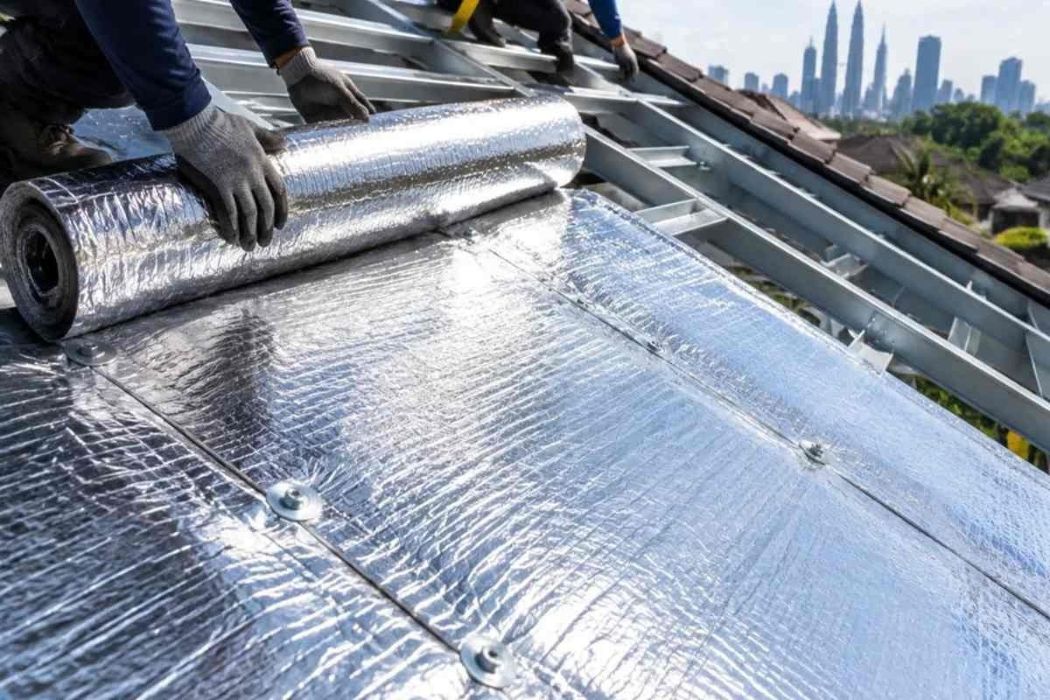
Aluminium heat insulation is widely used in buildings, warehouses, industrial facilities, commercial spaces, and residential properties to control indoor temperatures and improve energy efficiency. In Kuala Lumpur (KL), the demand for effective insulation continues to grow because of the region’s warm and humid climate. However, the cost of aluminium heat insulation can vary considerably depending on the project and the materials selected. Understanding the elements that influence Aluminium heat insulation KL pricing can help property owners and contractors prepare realistic budgets.
Pricing is rarely determined by one factor alone. The quality of the aluminium, thickness of the insulation, total area, product type, installation requirements, and accessibility of the site can all affect the final amount. Market conditions and labor expenses can also cause prices to change over time. By examining these factors individually, buyers can better understand quotations and select an insulation solution that matches their property and budget.
What Factors Impact Pricing?
The following factors are particularly important when estimating Aluminium heat insulation KL costs:
1. Material Quality
The quality of aluminium used in insulation products has a direct influence on pricing. Higher-quality aluminium generally offers better durability, resistance to corrosion, and long-term performance. Products manufactured with consistent material standards may cost more initially, but they can provide reliable performance when properly installed and maintained. The reflective properties of aluminium can also vary depending on manufacturing quality and surface finish.
Insulation materials may also differ in terms of their internal layers, protective coatings, and overall construction. A product designed for demanding environments may have a higher price than a basic option intended for less challenging conditions. When comparing products, buyers should consider specifications and expected service life rather than choosing solely according to the lowest initial price.
2. Aluminium Thickness
Thickness is another important factor affecting insulation pricing. Thicker aluminium layers or insulation systems that incorporate greater material quantities generally require more raw materials, which can increase their cost. The appropriate thickness depends on the application, expected heat exposure, structural requirements, and desired insulation performance.
Choosing the correct thickness is important because using too little insulation may not provide the desired thermal protection, while unnecessarily selecting a very thick product can increase project expenses. Professional assessment can help determine an appropriate specification for the building. A suitable thickness can provide a balance between thermal performance, durability, and overall cost.
3. Insulation Size
The total size of the area being insulated has a major impact on the final project price. Larger roofs, walls, ducts, ceilings, or industrial surfaces require more insulation materials and usually involve more installation time. As a result, a small residential project will generally have different pricing from a large warehouse or commercial facility.
Measurements should be taken accurately before materials are ordered. Irregular surfaces, corners, openings, joints, and areas requiring additional treatment can increase the amount of material needed. Accurate measurements help reduce unnecessary waste and allow contractors to prepare more reliable quotations.
4. Product Type
Aluminium heat insulation KL is available in different forms and configurations. Some products are designed primarily for reflective heat reduction, while others combine aluminium layers with additional insulating materials. The construction, intended application, performance characteristics, and manufacturing process can all affect the price.
The right product should be selected according to the building’s requirements rather than appearance alone. For example, a product intended for a roof may have different characteristics from one designed for walls, ducts, or industrial equipment. Comparing specifications, installation methods, durability, and expected performance can help determine whether the quoted price is appropriate for the intended use.
5. Installation Costs
Installation expenses can form a significant part of the total cost of an insulation project. The amount charged may depend on the size of the area, installation method, surface condition, project complexity, and time required to complete the work. Additional preparation can also increase the amount of labor involved.
- Surface preparation: Cleaning, repairing, or preparing existing surfaces may require additional work.
- Installation complexity: Difficult structures, elevated areas, and detailed surfaces can take longer to insulate.
- Additional materials: Adhesives, fasteners, sealants, tapes, and supporting components may increase expenses.
- Project duration: Longer installation periods generally require greater labor resources.
A quotation should ideally provide a clear breakdown of material and installation costs. This makes it easier for property owners to understand what they are paying for and compare different contractors. If existing walls have cracks or surface damage that need attention before insulation work begins, a Wall repair contractor KL may be required to prepare the surface properly. Proper installation is important because poorly fitted insulation can contain gaps or incorrectly sealed joints that may reduce its effectiveness.
6. Location and Access
The location of the property can influence project pricing because transportation and site accessibility affect the amount of time and resources required. A building located in an easily accessible commercial area may be simpler to service than a property with restricted access, limited parking, narrow entrances, or difficult delivery conditions.
Work performed at height or in areas that are difficult to reach may also require additional equipment and safety arrangements. Roofs, elevated structures, and confined spaces can take longer to access and prepare. These practical considerations can increase the overall project cost even when the material requirements remain unchanged.
7. Labor Requirements
Labor requirements vary according to the size and complexity of an insulation project. Straightforward installations over large, accessible surfaces may require less time, while projects involving multiple levels, complex structures, detailed cutting, or difficult surfaces can require more skilled workers and additional hours.
The experience and expertise of the installation team can also influence the price. Proper installation is essential because gaps, poorly sealed joints, incorrect overlaps, or damaged insulation can reduce overall performance. Paying attention to workmanship can help ensure that the selected insulation delivers the expected benefits over its service life.
8. Market Conditions
Market conditions can affect Aluminium heat insulation KL prices because the cost of raw materials, transportation, manufacturing, and supply can change. Aluminium prices may fluctuate according to broader market activity, while shipping expenses and availability can also influence what suppliers charge. These changes can occur even when the specifications of a particular insulation product remain unchanged.
Demand can be another contributing factor. During periods of increased construction activity, suppliers and installers may experience higher demand for materials and services. Availability can therefore affect quotations and delivery schedules. Obtaining a current quotation and confirming product availability before beginning a project can help reduce unexpected changes in the budget.
Why Go With Cisco Waterproofing?
When managing an insulation project, keeping costs within budget while maintaining appropriate workmanship is an important consideration. Cisco Waterproofing can be considered by property owners looking for an affordable insulation and waterproofing service. The company can help customers assess their project requirements and identify suitable solutions according to the property’s condition, size, and insulation needs.
Choosing an affordable service does not necessarily mean selecting the cheapest quotation available. A practical approach is to consider material suitability, installation requirements, workmanship, and the expected long-term value of the work. Cisco Waterproofing can provide a cost-conscious option for customers who want to manage their project expenses while addressing their property’s insulation and waterproofing requirements.
Conclusion
Aluminium heat insulation KL pricing depends on a combination of material and project-related factors. Material quality, aluminium thickness, insulation size, and product type influence the basic cost, while installation, accessibility, labor, and market conditions can affect the final project amount. This means there is no single price that applies to every insulation project.
For accurate budgeting, property owners should evaluate the complete scope of work instead of focusing only on the material price. Comparing detailed quotations, checking product specifications, measuring the required area correctly, and considering installation requirements can help create a clearer understanding of total costs. With careful planning and the right insulation specification, it is possible to achieve effective thermal protection while keeping the project financially manageable.