
How Coilovers Can Improve Your Car’s Handling and Cornering
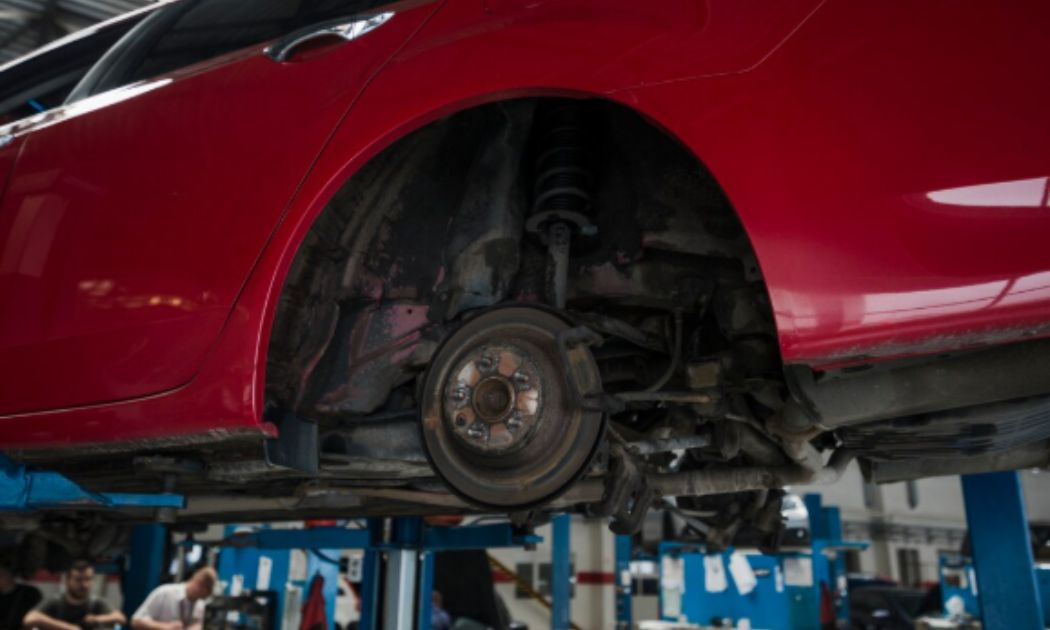
If you experience your vehicle feeling unstable when going through corners, leaning a lot when you take a corner, or having trouble keeping the ride predictable on rough roads, the suspension might be restricting performance. This is where coilovers can really help.
Coilovers use a spring and shock absorber in one package, allowing the driver to adjust either ride height or damping and other settings, depending upon the specific system. For all enthusiasts, it is important to understand how the components function in order to get the best handling without over-balancing your setup.
What Makes Coilovers Different
Traditional suspension systems use separate springs and shock absorbers, with settings generally determined by the vehicle manufacturer. Coilovers are an assembly that incorporates all of these elements. Many of them also offer adjustments that can alter the ride height and suspension characteristics.
This adjustability is especially beneficial for drivers seeking to optimize their vehicle for a particular usage. The equipment used for a vehicle that is driven mostly on the street might be different from that used for a vehicle that is driven regularly at a track or autocross event.
Reducing Body Roll Through Corners
A well-matched suspension provides better cornering control, one of the most obvious advantages. Turning a vehicle results in weight being distributed towards the outside wheels. Too much car roll causes the vehicle to feel slower to respond and less balanced, especially when changing direction rapidly.
The right coilover will help to keep the ride more stable and settled around corners. It is by no means the eradication of all the suspension movement.
Improving Ride Height and Balance
Adjustable vehicle height provides another means to control handling. The center of gravity can be lowered to minimize body roll and possibly help to improve driving characteristics. But the lower limit is also problematic as it can result in lower ground clearance, altered suspension travel, and suspension geometry changes.
The right ride height will allow for some suspension travel on the road and help you get the handling qualities that you’re looking for.
Damping Matters More Than Stiffness
One of the common mistakes people make is to think that a stiffer suspension system will give them a better ride. Actually, suspension damping is a very important factor in controlling the speed of suspension response to bumps, weight transfer, brakes, and accelerations.
If the damping is not set properly, the car can be hard, unstable, and difficult to handle. Some coilovers also have variable damping, which allows the driver to fine-tune suspension response. Make changes slowly and test one change at a time.
Proper Setup Is Essential
Quality suspension parts can do little to right a poorly done installation or misalignment. If coilovers are installed, they should be professionally aligned. Adjusting ride height may result in changes to camber, toe, and other ride alignment parameters.
Before assessing the new setup, it is important to check tire condition and pressure. When adjusting for performance driving, make notes to record ride height and damping. This will help provide a useful starting point and enable it to return to a configuration that works well.