
How Airline Springs Protect Your Air Hoses on Heavy Duty Trucks
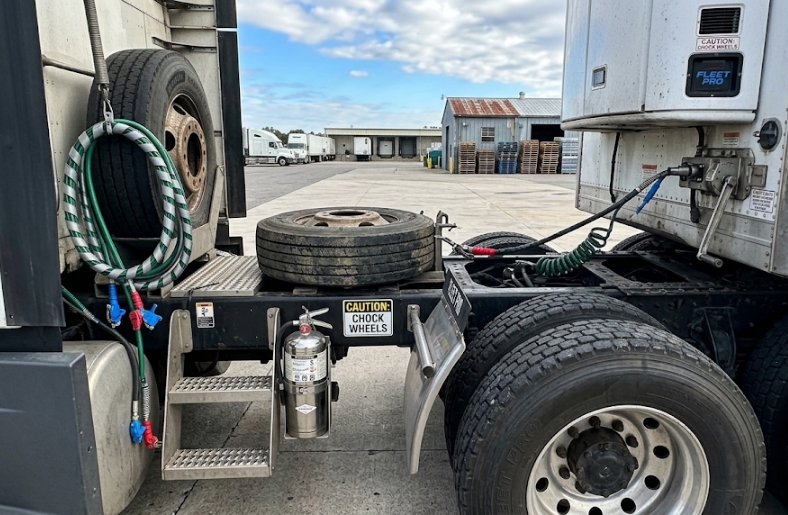
If you run a semi truck or manage a fleet, you already know that the air brake system is the backbone of heavy duty vehicle safety. But there is one small component that most drivers and even some mechanics overlook until something goes wrong: the airline spring.
Airline springs, also called air hose support springs or tender springs, are simple steel coils that hold your air lines and power lines in place underneath the trailer. They look basic, but the job they do is anything but. Without them, your air hoses drag, rub, bounce, and eventually fail at the worst possible time.
This guide breaks down exactly how airline springs work, why they matter, when to replace them, and what to look for when buying a new set.
What Are Airline Springs?
Airline springs are coiled steel suspension components mounted along the undercarriage of a trailer or semi truck. Their primary function is to hold air hoses and electrical lines off the ground and away from moving parts like tandem axles, suspension components, and the trailer frame.
They work by gripping the air line with a clamp or clip and then suspending it using the spring tension so the line stays elevated even when the truck hits bumps, shifts loads, or slides its tandems. The spring acts as a buffer, absorbing vibration and road shock that would otherwise transfer directly into the hose.
You will typically find two configurations:
- Single tender spring kits: one spring per assembly, used for lighter line management
- Double tender spring kits: two springs per assembly, used for heavier three in one ABS and power line combinations
How Airline Springs Protect Your Air Hoses
The role of an airline spring is more critical than most people realize. Here is what they actually protect against:
1. Abrasion From Road Debris and Trailer Components
Air hoses that are not properly supported will rub against frame rails, suspension arms, and the underside of the trailer deck. Over thousands of miles, this constant friction wears through the outer jacket of the hose, exposing the inner lining to moisture and road grime. A compromised hose can leak air pressure or fail entirely, triggering a braking event or a DOT violation on the spot.
2. Vibration Fatigue
Heavy duty trucks generate significant vibration through the driveline, road surface, and suspension system. Without airline springs absorbing that movement, air lines experience constant micro flexing at connection points. This leads to cracking near the glad hand fittings and at brake valve connections, which are the two most expensive and dangerous places for a leak to develop.
3. Tandem Slider Damage
When you slide trailer tandems, unsupported lines can get pinched or caught between the slider rail and the trailer crossmember. Airline springs keep the lines elevated and clear of the slider track so they move freely without getting crushed during axle repositioning.
4. Ground Clearance Loss
A broken or missing airline spring lets air lines sag down close to the road surface. At highway speeds, road debris can strike and sever a dragging air line. In worst case scenarios, a loose line can wrap around a wheel or axle, causing a blowout or severe braking failure.
Signs Your Airline Springs Need Replacement
Airline springs are wear items. They will eventually break, lose tension, or rust through. Watch for these warning signs:
- Visible sagging or drooping air lines along the trailer undercarriage
- A broken coil spring or missing spring assembly entirely
- Air lines with worn outer jacketing showing through to the braid
- Hose clips or clamps that are cracked, bent, or missing
- Noise or rattling from below the trailer during transit
- Failed DOT pre trip inspection due to improperly secured air lines
Types of Airline Springs and How to Choose the Right One
Not all airline springs are the same. Choosing the wrong size or style can create more problems than having no spring at all. Here is what matters when buying a replacement set:
Length
Standard airline springs come in 16 inch and 20 to 25 inch lengths. The length determines how much suspension travel the spring can handle. Longer springs are used on trailers with more axle movement or where the mounting point is further from the air line path.
Outer Diameter and Wire Gauge
Most standard tender springs have an outer diameter around 1.1 inches. Heavy duty versions use thicker wire gauge for higher load applications like three in one line kits that bundle ABS, supply, and service lines together.
Mount Type
Tab mount and frame clip designs are the two most common attachment methods. Tab mount springs bolt directly to the trailer frame, while frame clip versions snap onto the crossmember without drilling. Make sure the mount type matches what is already on your trailer before ordering.
OEM Compatibility
If you want a direct replacement, look for springs that cross reference to common OEM part numbers like Phillips 17-145 or Tectran 9421-1. These are widely stocked at truck dealers and heavy duty parts distributors like NAPA and Aurora Parts.
How to Replace Airline Springs: A Quick Overview
Replacing airline springs is a straightforward job that most owner operators can handle without a trailer shop. Here is the general process:
- Park on a level surface and chock the wheels before getting under the trailer
- Locate all airline spring assemblies along the undercarriage and identify the broken or missing ones
- Measure the existing spring length and outer diameter before purchasing replacements
- Remove the old assembly by unclipping the frame clip or unbolting the tab mount bracket
- Thread the air line through the new spring and snap the clamp or clip into position
- Confirm the line is elevated and has no contact with frame rails, axle components, or the ground
If you are in a pinch without access to a trailer shop, heavy duty zip ties or tarp straps can hold air lines temporarily, but these are not DOT approved long term solutions. Replace the proper spring as soon as possible.
Airline Springs and DOT Compliance
Federal Motor Carrier Safety Administration regulations require that all air brake system components be properly secured and protected from damage. During a Level 1 DOT inspection, unsecured or dragging air lines are a citable defect under 49 CFR Part 393, which covers parts and accessories necessary for safe operation.
A missing or broken airline spring that allows a line to drag or contact moving components can result in an out of service order. That means the truck does not move until the issue is corrected. Keeping your airline springs in good condition is not just about protecting your hoses. It is about keeping your truck on the road and your CSA score clean.
Visit: Offered Magazine
Frequently Asked Questions
Q: How often should I replace airline springs?
There is no fixed mileage interval. Inspect airline springs during every pre trip and during trailer PM service. Replace any spring that is broken, missing, heavily rusted, or no longer holding the air line clear of the frame and axle components.
Q: Can I use zip ties as a temporary fix for broken airline springs?
Zip ties and tarp straps are short term emergency solutions only. They are not rated for the vibration and load cycles a truck generates, and they can fail unexpectedly. They also will not pass a DOT inspection. Replace broken airline springs with proper OEM compatible components as soon as you can.
Q: What is the difference between a single and double tender spring kit?
A single tender spring kit uses one coil spring to support a single air line. A double tender kit uses two springs and is designed for heavier three in one line assemblies that bundle the ABS power line, service line, and supply line into one hanger. Use the double kit when your trailer runs a combined line setup.
Q: Where can I buy replacement airline springs?
Replacement airline springs are available at most truck dealerships, heavy duty parts suppliers like NAPA, Aurora Parts To Go, and PBS Truck Parts, and online through Amazon and manufacturer sites like Mytee Products and Haldex. When ordering online, confirm the length, outer diameter, and mount type match your current setup before purchasing.
Q: Will a DOT inspector cite me for a missing airline spring?
Yes. If a missing or broken airline spring is causing air lines to drag, sag near moving parts, or contact the road surface, a DOT inspector can cite this as a defective part under federal safety regulations. Depending on the severity, it could result in an out of service order. Check your airline spring assemblies as part of your standard pre trip inspection.
Q: Do airline springs wear out faster in winter?
Yes. Road salt and brine used for ice control accelerates rust on the steel coils. In colder climates, it is a good idea to inspect airline springs more frequently during and after winter months and to replace any assembly showing significant surface corrosion before it breaks on the road.
Final Thoughts
Airline springs are one of those parts that cost almost nothing but protect components that cost a lot. A quality tender spring kit runs between ten and fifty dollars. A failed air hose, a brake system repair, or a DOT out of service order will cost you far more than that in parts, labor, and lost time.
Make airline spring inspection part of your routine. Check them during pre trips, look for broken coils and sagging lines, and replace worn assemblies before they become a roadside problem. It is a small habit that makes a real difference in the long run reliability of your air brake system.