Why Electrical Conduit Seal Offs Are Essential for Industrial Safety in 2026
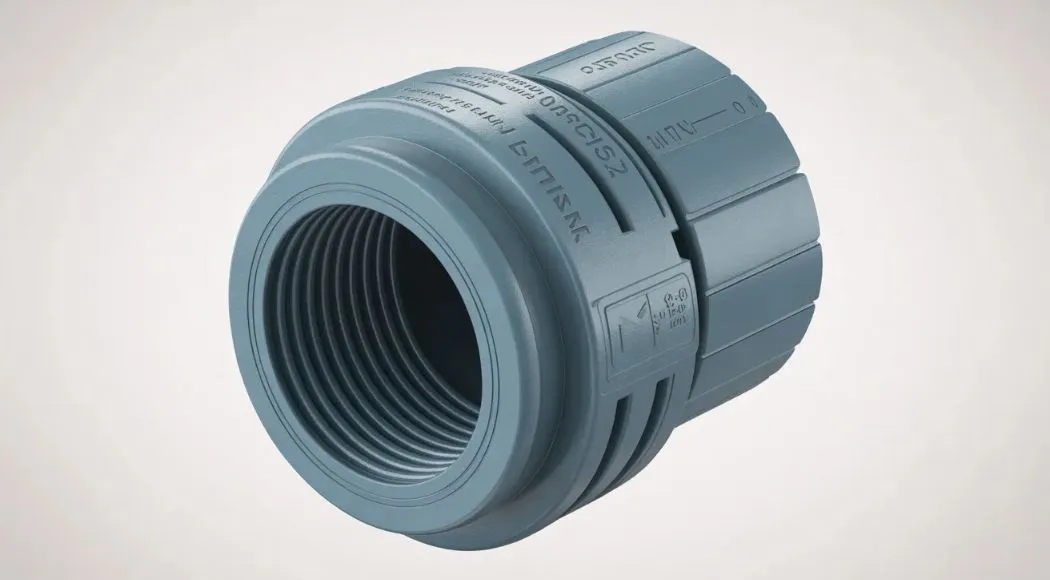
Modern electrical systems in industrial and commercial environments demand a high level of safety, reliability, and compliance. One critical component that ensures this protection is electrical conduit seal offs. These fittings are designed to prevent the movement of gases, vapors, moisture, and flames through conduit systems, especially in hazardous locations such as oil refineries, chemical plants, and underground installations.
Without proper sealing, electrical conduits can become unsafe pathways that allow gas migration or fire spread between different areas. This is why electrical conduit seal offs are widely used in modern electrical engineering for safety and compliance.
This guide explains everything about it, including their purpose, working principle, types, installation, safety standards, applications, advantages, limitations, and maintenance practices.
What Are Electrical Conduit Seal Offs?
Electrical conduit seal offs are specialized fittings installed inside conduit systems to create a sealed barrier. The main purpose of it is to stop gases, vapors, and moisture from traveling through interconnected electrical conduits.
In simple terms, it act like a protective firewall within electrical piping systems. They ensure that hazardous substances cannot pass from one area to another through electrical pathways.For more informative electrical and industrial guides, you can also explore offered magazine for additional resources.
These fittings are typically installed at hazardous boundaries, enclosure entry points, and underground transitions where safety separation is required.
Importance of Electrical Conduit Seal Offs in Industrial Safety
The role of electrical conduit seal offs is extremely important in maintaining electrical and environmental safety in high-risk industries.
Fire and Explosion Protection
One of the main functions is preventing flames or explosions from spreading through conduit systems in hazardous environments. It help maintain isolation between dangerous zones.
Prevention of Gas Migration
They block toxic or flammable gases from moving between industrial areas.ensure proper separation of zones.
Equipment Protection
By sealing conduits, it protect sensitive electrical equipment from moisture, dust, and chemical contamination.
Compliance with Electrical Codes
Safety standards such as NEC require proper installation of seal offs for electrical conduits in classified hazardous areas.
System Reliability
They improve the durability and long-term performance of electrical installations in harsh environments.
Working Principle
The working of seal offs for electrical conduits is based on creating a solid physical barrier inside the conduit.
This is achieved using:
- Fiber packing material
- Approved sealing compounds that harden after curing
Once installed, seal offs for electrical conduits form a hardened block inside the conduit that prevents gas, vapor, and flame movement. This isolation ensures safe operation of electrical systems.
Types of Electrical Conduit Seal Offs
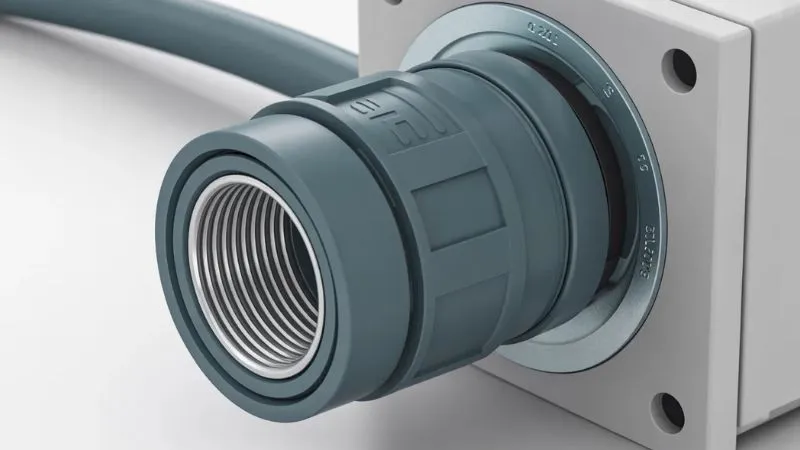
Different industrial conditions require different types of electrical conduit seal offs.
Standard Seal Offs
Used in general commercial installations for dust and moisture protection.
Explosion-Proof Seal Offs
Designed for hazardous environments like oil and gas industries where seal offs for electrical conduits are critical for safety.
Drain Seal Offs
Used in wet environments to manage condensation and maintain sealing performance.
Vertical and Horizontal Seal Offs
Selected based on installation direction for proper sealing function.
Expanded Fill Seal Offs
Used when multiple conductors require extra space while still maintaining safety through electrical conduit seal offs.
Installation Process
Proper installation is critical for performance and safety. Incorrect installation of electrical conduit seal offs can lead to system failure.
Step 1: Planning
Identify hazardous zones where seal offs for electrical conduits are required according to electrical codes.
Step 2: Material Selection
Select correct size and certified materials for seal offs for electrical conduits.
Step 3: Conduit Cleaning
Clean the conduit thoroughly before installing electrical conduit seal offs.
Step 4: Fitting Installation
Install electrical conduit seal offs at required boundary points.
Step 5: Packing and Filling
Add fiber packing and sealing compound carefully inside seal offs for electrical conduits.
Step 6: Curing Process
Allow time for hardening before energizing the system.
Safety Guidelines
When installing seal offs for electrical conduits, strict safety practices must be followed:
- Always use certified materials
- Follow manufacturer instructions
- Avoid overfilling or underfilling
- Do not use non-rated materials
- Ensure proper conductor spacing
- Install according to NEC or IEC guidelines
For a better general understanding of conduit systems and their structure, you can refer to Electrical conduit
Ignoring these rules reduces the effectiveness of seal offs for electrical conduits.
Applications
seal offs for electrical conduits are widely used in industries where safety is critical:
- Oil and gas refineries
- Chemical processing plants
- Power generation stations
- Underground electrical systems
- Industrial manufacturing units
- Wastewater treatment facilities
They ensure proper isolation in hazardous environments.
Advantages
- Prevents fire and explosion spread
- Blocks gas and vapor migration
- Enhances system safety
- Protects electrical equipment
- Ensures compliance with safety standards
- Improves system durability
Limitations
- Higher installation cost
- Requires skilled labor
- Time-consuming installation process
- Difficult to modify after installation
Maintenance
Regular inspection ensures long-term performance:
- Seal integrity check
- Curing condition inspection
- Moisture detection
- Tightness verification
- Compliance check
Electrical conduit seal offs generally require minimal maintenance but periodic inspection is important.
Future Trends
Technology is improving seal offs for electrical conduits with:
- Fire-resistant compounds
- Smart monitoring systems
- Eco-friendly materials
- Modular designs
- Improved durability
Conclusion
In modern electrical engineering, safety cannot be compromised. electrical conduit seal offs play a crucial role in preventing gas, vapor, and flame movement through conduit systems, especially in hazardous environments.
Although they increase installation cost and require skilled labor, seal offs for electrical conduits are essential for protecting lives, equipment, and infrastructure.
For any industrial or hazardous electrical project, proper use of it is mandatory for safe operation.
FAQs
1. What is the main purpose?
They prevent gases, vapors, and flames from moving through conduits.
2. Where are they used?
In oil refineries, chemical plants, and hazardous industries.
3. Are they legally required?
Yes, in many hazardous areas.
4. How long do they last?
Many years if installed correctly.
5. Can they be reused?
No, once installed they are not reusable.