
How Long Until a Tooth Infection Kills You? (2026)
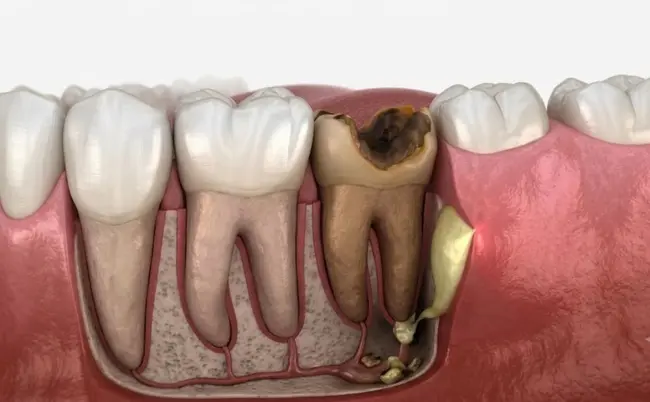
A throbbing tooth is easy to dismiss as “just a toothache.” But if you’ve searched how long until a tooth infection kills you, you already sense something more serious might be going on, and you’re right to take it seriously. While death from a tooth infection is rare in the modern world, it does happen, and understanding the timeline can help you know when a dentist visit turns into a medical emergency.
This guide breaks down exactly how a tooth infection progresses, how quickly it can turn dangerous, and the warning signs that mean you should stop waiting and get care immediately.
Can a Tooth Infection Actually Kill You?
If you’re asking, “how long until a tooth infection kills you?” the short answer is yes, it can, although it’s uncommon. A tooth infection starts small, usually confined to the tooth’s inner pulp. Left untreated, bacteria can spread beyond the tooth into the jaw, soft tissue, bloodstream, or even the brain. When that happens, the infection stops being a dental problem and becomes a systemic, life-threatening one.
Before antibiotics existed, dental infections were a leading cause of death. Today, fatalities are rare because most people get treatment before things escalate, but the risk hasn’t disappeared entirely, which is exactly why questions like how long until a tooth infection kills you are worth taking seriously rather than ignoring.
The Tooth Infection Timeline: How Fast Does It Progress?
There’s no single fixed timeline, because progression depends on the bacteria involved, your immune system, and how quickly you seek care. That said, the pattern generally follows two distinct phases.
Phase 1: Abscess Formation (Weeks to Months)
This is the slow-building stage most people experience:
- Bacteria enter the tooth through a cavity, crack, or trauma
- The pulp becomes inflamed and infected
- A pocket of pus (abscess) gradually forms around the root
- Symptoms include a persistent ache, sensitivity to hot or cold, and mild swelling
This stage is your window of opportunity. A root canal, extraction, or drainage at this point typically resolves the infection completely.
Phase 2: Systemic Spread (Days)
If the abscess isn’t treated, bacteria can eventually break past the tooth structure and enter the bloodstream or surrounding tissue. This is the turning point where things move fast.
| Stage | Typical Timeframe | What’s Happening |
| Initial infection | Days to weeks | Localized pain, mild swelling, sensitivity |
| Abscess formation | Weeks to months | A pus pocket develops; pain intensifies, and a possible fever occurs. |
| Local spread | Days | Swelling extends to face, jaw, or neck; fever rises |
| Systemic infection (sepsis) | Hours to days | Rapid heart rate, confusion, difficulty breathing are medical emergencies. |
Once an infection reaches the systemic stage, deterioration can happen within 24 to 72 hours in severe cases. This is why dentists stress that the real question isn’t “How long can I wait?” but “How fast can I get seen?”
What Happens When a Tooth Infection Spreads
An untreated abscess doesn’t just sit still; it can lead to several dangerous complications:
Sepsis
Sepsis is the body’s extreme, damaging response to infection. It can cause organ failure and is one of the most common causes of death linked to untreated dental infections.
Ludwig’s Angina
A fast-spreading infection of the tissue under the tongue and jaw. It can swell rapidly enough to block the airway, making it a true emergency.
Brain Abscess
In rare cases, bacteria travel through blood vessels near the face and sinuses and reach the brain, causing a pus-filled infection with potentially fatal consequences.
Cavernous Sinus Thrombosis
A rare blood clot near the brain caused by infection spreading through facial veins. It requires immediate hospitalization.
Endocarditis
Infection of the heart’s inner lining, caused by bacteria from the mouth entering the bloodstream and attaching to heart valves particularly dangerous for people with existing heart conditions.
Warning Signs You Should Never Ignore
Seek emergency care immediately if you experience any of the following:
- Facial or neck swelling that’s spreading or severe
- Difficulty breathing or swallowing
- High fever (over 101°F / 38.3°C)
- Rapid heartbeat or confusion
- Inability to fully open your mouth
- Swelling around one or both eyes
If you notice these symptoms, don’t wait for a regular dental appointment; go to an emergency room.
Who Is Most at Risk?
Certain people face a higher risk of complications from a tooth infection:
- People with diabetes or other conditions that weaken immune response
- Individuals on immunosuppressive medications or undergoing chemotherapy
- Older adults
- People with existing heart valve problems
- Anyone who delays treatment for weeks after symptoms begin
How Tooth Infections Are Treated
Getting the infection treated early is what actually stops the countdown. Standard treatment options include the following:
- Drainage—A dentist opens the abscess to release pus and relieve pressure
- Root canal – Removes infected pulp while saving the tooth
- Tooth extraction – Used when the tooth can’t be saved
- Antibiotics—Help control the spread of bacteria, but rarely work alone; the infection source still needs to be treated
- Hospitalization – Required for severe, spreading infections, often with IV antibiotics
Over-the-counter pain relievers, cold compresses, and soft foods can ease discomfort while you wait for your appointment, but they don’t treat the underlying infection.
How to Prevent a Tooth Infection From Becoming Dangerous
- Don’t ignore tooth pain, even if it seems to fade. Fading pain can mean a nerve has died, not that the infection is gone
- Brush twice daily and floss once a day
- Get regular dental checkups and cleanings
- Treat cavities and cracked teeth promptly
- See a dentist at the first sign of swelling, fever, or persistent pain
FAQs
How long can a tooth infection go untreated before it becomes dangerous?
It varies, but an abscess can take weeks or months to form, while the shift to a life-threatening systemic infection can happen within days once it spreads.
Can a tooth infection kill you in 24 hours?
It’s rare, but in severe cases where sepsis or airway swelling develops rapidly, deterioration can occur within 24 to 72 hours.
What are the first signs a tooth infection is spreading?
Increasing facial swelling, fever, difficulty swallowing, and pain that spreads to the jaw, ear, or neck are early warning signs.
Can antibiotics alone cure a tooth infection?
No. Antibiotics can slow bacterial spread, but the infected tooth still needs a root canal, drainage, or extraction to fully resolve the problem.
Is it normal for tooth pain to go away without treatment?
Pain relief without treatment often means the tooth’s nerve has died, not that the infection has healed. The infection can still be spreading silently.
When should I go to the ER instead of the dentist?
Go to the ER immediately if you have facial swelling that’s spreading, trouble breathing or swallowing, a high fever, or swelling around your eyes.
Final Thoughts
A tooth infection rarely turns fatal on its own, but the risk becomes real once it spreads beyond the tooth. The slow-building abscess phase gives you weeks or months to get treatment, but once systemic infection sets in, the timeline shrinks to days or even hours. The safest answer to “how long until a tooth infection kills you” is simple: don’t find out. See a dentist at the first sign of persistent pain or swelling, and treat any fever, breathing trouble, or spreading swelling as a medical emergency.
For more health-related content, visit Offeredmagazine.com.