Types of Lampshade Fitters Explained: Easy Guide to Choose the Right One
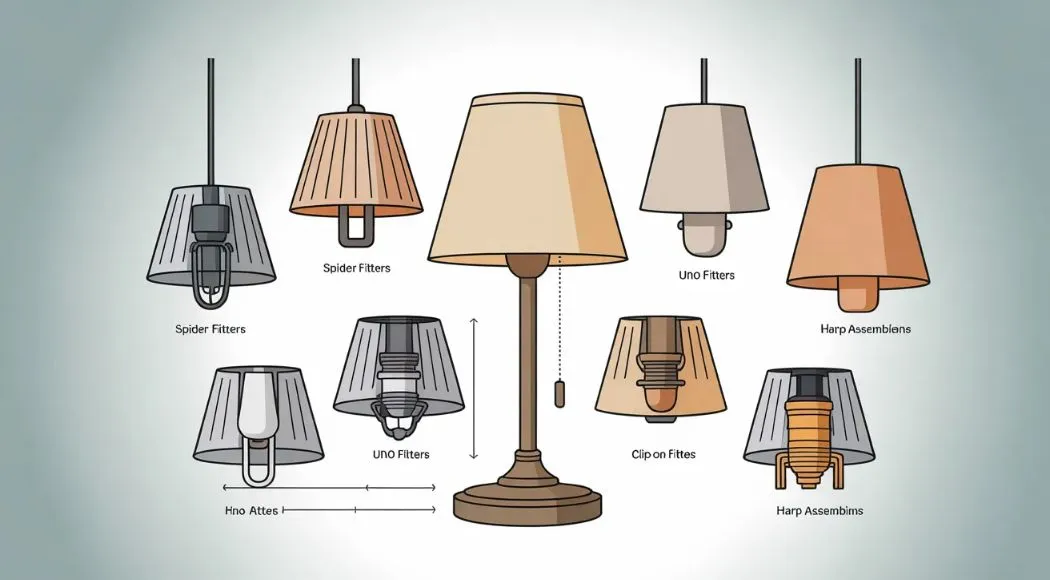
Choosing the right lampshade may seem simple at first, but the fitting mechanism that attaches the shade to the lamp is just as important as the design itself. Many people struggle with mismatched shades, loose fittings, or unstable lampshades simply because they are unaware of the different types of lampshade fitters available in the market.
- Why Understanding Lampshade Fitters Matters
- Main Types of Lampshade Fitters
- Spider Fitter (Most Common Type)
- Clip-On Fitter (Easy & Budget-Friendly)
- UNO Fitter (Popular for Modern Lamps)
- European (E14/E27) Ring Fitter
- Fixed Frame Fitter (Integrated Design)
- How to Choose the Right Lampshade Fitter
- Common Mistakes to Avoid
- Maintenance Tips for Lampshade Fitters
- Future Trends in Lampshade Fitters
- Conclusion
- Frequently Asked Questions (FAQ)
Understanding these fittings is essential whether you are replacing an old shade, upgrading your home décor, or buying a new lamp. Each fitter type is designed for specific lamp structures, and selecting the wrong one can lead to poor stability, unsafe lighting, or an unbalanced appearance.
In this guide, you’ll learn everything about types of lampshade fitters, how they work, their advantages, and how to choose the right one for your needs. For more home décor insights and lifestyle guides, visit Offered Magazine
What Are Lampshade Fitters?
Lampshade fitters are the metal components that connect a lampshade to a lamp base. They ensure the shade stays securely in place while properly diffusing light.
Different lamp designs require different fitting systems, which is why there are multiple types of lampshade fitters used in residential and commercial lighting.
A good fitter ensures:
- Stability and safety
- Proper light alignment
- Compatibility with lamp hardware
- Aesthetic balance
Why Understanding Lampshade Fitters Matters
Many buyers focus only on shape, color, or fabric and ignore the fitter type. However, choosing the wrong fitting can result in:
- A wobbly or unstable lampshade
- Exposure to heat bulbs (safety risk)
- Poor lighting distribution
- Difficulty in installation
Knowing the types of lampshade fitters helps you avoid these issues and ensures long-term usability.
Main Types of Lampshade Fitters
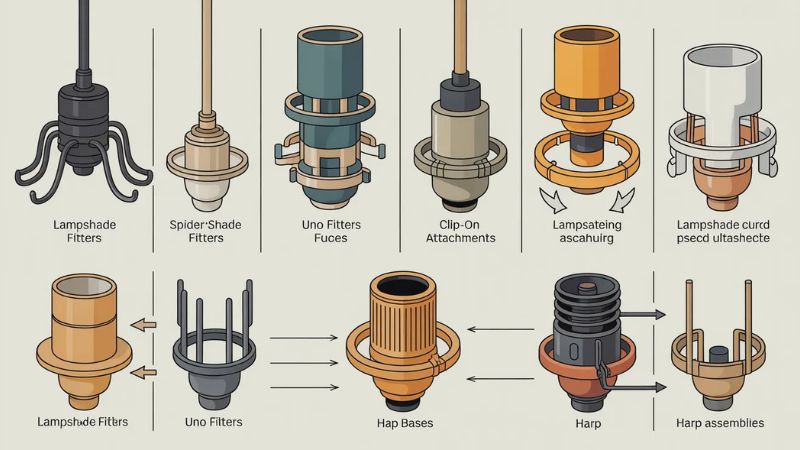
Below are the most common and widely used fitter types in modern lighting design.
Spider Fitter (Most Common Type)
The spider fitter is one of the most widely used types of lampshade fitters in household lighting.
How it works:
It features a metal frame with three or four arms that sit on top of a harp (a U-shaped support). A finial screw holds it in place.
Best for:
- Table lamps
- Floor lamps
- Traditional lamp designs
Advantages:
- Very stable
- Compatible with many lamp bases
- Easy to replace shades
Limitations:
- Requires a harp (not included in all lamps)
Clip-On Fitter (Easy & Budget-Friendly)
Clip-on fitters attach directly to the light bulb without needing a harp or frame.
How it works:
The shade clips onto a bulb using a spring-loaded metal ring.
Best for:
- Small table lamps
- Decorative lamps
- Compact lighting setups
Advantages:
- Extremely easy installation
- No additional hardware needed
- Affordable option
Limitations:
- Less stable than spider fitters
- Not suitable for heavy lampshades
UNO Fitter (Popular for Modern Lamps)
The UNO fitter is designed with a large ring that sits directly on the lamp socket.
How it works:
It connects directly to the lamp socket instead of using a harp or clips.
Best for:
- Modern table lamps
- Studio lamps
- Compact lighting fixtures
Advantages:
- Clean and minimal look
- Secure socket-based fit
- No harp required
Limitations:
- Limited compatibility with older lamps
European (E14/E27) Ring Fitter
Common in Europe and increasingly used worldwide, this fitter is designed for screw-type bulb holders.
How it works:
A metal ring attaches directly to the lamp holder thread.
Best for:
- European-style lamps
- Decorative lighting fixtures
- Designer lamps
Advantages:
- Strong and stable
- Compatible with modern fittings
- Sleek design integration
Limitations:
- Not universally compatible in all regions
You can read more about lamp components here:Wikipedia
Fixed Frame Fitter (Integrated Design)
This fitter is permanently built into the lampshade structure.
How it works:
The shade and frame are manufactured as a single unit.
Best for:
- Designer lamps
- Luxury lighting pieces
- Custom-made lamps
Advantages:
- Strong structural integrity
- Unique aesthetic appeal
- No assembly required
Limitations:
- Not replaceable
- Expensive to repair
How to Choose the Right Lampshade Fitter
Selecting the right fitter depends on several factors:
1. Lamp Base Type
Check whether your lamp supports harp, clip-on, or socket fittings.
2. Shade Size and Weight
Heavier shades require stronger fitters like spider or fixed frames.
3. Style Preference
- Traditional → Spider fitter
- Modern → UNO fitter
- Quick setup → Clip-on fitter
4. Safety Considerations
Ensure proper distance between bulb and shade to avoid heat damage.
Common Mistakes to Avoid
Many people misunderstand types of lampshade fitters, leading to common errors such as:
- Buying incompatible sizes
- Ignoring bulb heat clearance
- Choosing style over function
- Using clip-on for heavy shades
Maintenance Tips for Lampshade Fitters
To extend the lifespan of your lamps:
- Regularly tighten finials or rings
- Clean metal parts to prevent rust
- Avoid excessive bulb heat
- Replace worn-out clips or rings
Proper maintenance ensures all types of lampshade fitters perform efficiently over time.
Future Trends in Lampshade Fitters
Recent design trends show:
- Increased use of universal fittings
- More eco-friendly materials
- Modular lighting systems
- Smart lighting compatibility
Modern innovation is making types of lampshade fitters more adaptable and user-friendly than ever before.
Conclusion
Understanding the different types of lampshade fitters is essential for choosing the right lighting solution for your home or workspace. Each fitter serves a unique purpose, from the widely used spider fitter to the modern UNO design.
By selecting the correct fitter, you ensure safety, durability, and aesthetic harmony in your lighting setup. Always check compatibility before purchasing a lampshade to avoid installation issues and long-term problems.
Frequently Asked Questions (FAQ)
1. What are the most common types of lampshade fitters?
The most common are spider, clip-on, and UNO fitters.
2. Can I change a lampshade fitter?
Some fitters can be replaced, but fixed-frame designs usually cannot.
3. Which fitter is best for heavy lampshades?
Spider and fixed-frame fitters are best for heavier shades.
4. Are clip-on fitters safe?
Yes, but they are best suited for lightweight shades only.
5. Do all lamps use the same fitter type?
No, lamps use different types of lampshade fitters depending on design and structure.