Hybrid Office Solutions in 2026: Latest Research, Workplace Trends, and Smart Business Strategies
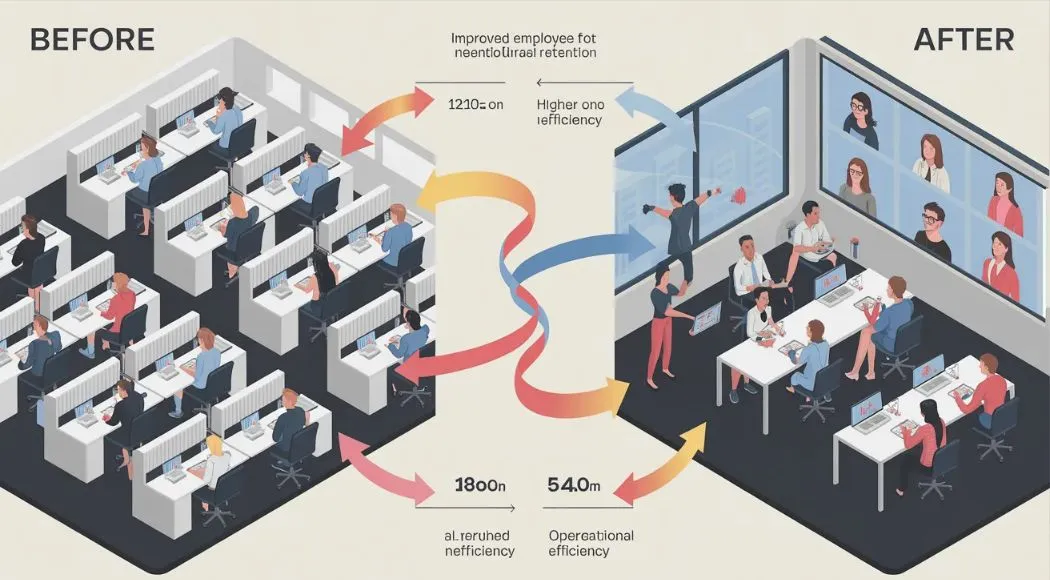
The modern workplace has changed dramatically over the last few years. Businesses are no longer limited to traditional office environments where employees work from a single location every day. Instead, organizations are embracing flexible work models that combine remote and in-office collaboration. This shift has increased demand for effective hybrid office solutions that improve productivity, communication, and employee satisfaction while reducing operational costs.
- Why Businesses Are Adopting Hybrid Work Models
- Essential Components of Successful Hybrid Office Solutions
- Benefits of Hybrid Office Solutions
- Hybrid Office vs Traditional Office
- Common Challenges in Hybrid Workplaces
- Best Practices for Implementing Hybrid Office Solutions
- Real-World Examples of Hybrid Workplace Success
- Technologies Powering the Future of Hybrid Offices
- How to Choose the Right Hybrid Office Solution
- The Future of Hybrid Work
- Conclusion
- Frequently Asked Questions (FAQs)
Companies of all sizes are investing in digital workplace technologies, cloud-based collaboration systems, and smart office infrastructure to support hybrid teams. According to workplace research from major technology providers and consulting firms, businesses adopting flexible work environments often experience improved employee retention and higher operational efficiency. For more workplace technology insights and business trends, visit Offered Magazine.
According to Gartner research, more than 80% of company leaders now support hybrid or remote work strategies for the long term. Similarly, Microsoft’s Work Trend Index reports that employees with flexible work options often show higher satisfaction and improved productivity. These findings demonstrate why businesses are rapidly investing in modern workplace infrastructure and scalable digital collaboration systems.
What Are Hybrid Office Solutions?
Hybrid office solutions refer to workplace systems, technologies, and strategies that allow employees to work seamlessly from both remote and physical office environments. These solutions are designed to support communication, collaboration, project management, cybersecurity, and employee engagement across distributed teams.
A Typical Hybrid Workplace Includes:
- Cloud collaboration platforms
- Flexible office layouts
- Remote access tools
- Smart scheduling systems
- Cybersecurity frameworks
- Video conferencing technology
- Employee performance tracking systems
Businesses adopting this model aim to create a balanced environment where employees can work efficiently regardless of location.
Quick Definition
A hybrid office solutions remote work flexibility with in-office collaboration using cloud technology, communication platforms, and workplace management systems.
Why Businesses Are Adopting Hybrid Work Models
Organizations worldwide are moving toward flexible workplaces because employee expectations and business priorities have evolved. Companies now recognize that productivity is not limited to office spaces alone.
Key Reasons Behind the Shift
1. Increased Employee Flexibility
Employees value work-life balance more than ever before. Hybrid office solutions allow professionals to manage personal and professional responsibilities more effectively.
Additionally, flexible scheduling helps reduce employee burnout and improves workplace satisfaction.
2. Reduced Operational Costs
Businesses can reduce expenses related to office rent, utilities, and infrastructure by downsizing physical workspaces.
For example, many organizations now operate with shared desk systems instead of assigning permanent office spaces.
3. Access to Global Talent
Companies are no longer restricted to hiring locally. Hybrid models make it easier to recruit skilled professionals from different regions.
As a result, businesses can access specialized expertise without geographical limitations.
4. Improved Productivity
Studies from workplace analytics firms indicate that many employees perform better when given flexible work options. Focused remote work combined with collaborative office sessions often improves efficiency.
According to Microsoft research, nearly 70% of employees report improved productivity in flexible work environments.
Essential Components of Successful Hybrid Office Solutions
Building a productive hybrid workplace requires more than allowing employees to work from home occasionally. Businesses need a structured ecosystem supported by technology and workplace policies.
Cloud-Based Collaboration Platforms
Modern teams rely heavily on digital collaboration tools such as:
- Microsoft Teams
- Slack
- Zoom
- Google Workspace
- Trello
- Asana
These platforms enable file sharing, instant communication, project management, and virtual meetings.
One important advancement is the growing adoption of the office 365 hybrid mail solution, which allows organizations to integrate on-premise email infrastructure with cloud-based Microsoft services. This setup improves email accessibility, security, and scalability for distributed teams.
Many enterprises implementing cloud collaboration systems report faster communication and better workflow management after migrating to integrated hybrid platforms.
Smart Workspace Management
Hybrid offices now use desk-booking software and occupancy management systems to optimize office usage. Employees can reserve meeting rooms or workstations before arriving at the office.
Benefits Include:
- Better space utilization
- Reduced overcrowding
- Improved workplace organization
- Lower operational costs
Additionally, smart workplace analytics help companies understand office usage patterns and improve space planning decisions.
Cybersecurity and Data Protection
Remote work increases cybersecurity risks. Companies implementing hybrid office solutions must prioritize secure access systems and data protection measures.
Essential Security Practices Include:
- Multi-factor authentication
- VPN access
- Endpoint protection
- Cloud security monitoring
- Employee cybersecurity training
According to cybersecurity experts, businesses with strong remote security frameworks experience fewer data breaches and compliance risks. Many organizations follow cybersecurity guidelines published by Wikipedia to strengthen workplace security and remote access protection.
Benefits of Hybrid Office Solutions
Enhanced Employee Satisfaction
Flexible work arrangements improve morale and reduce burnout. Employees appreciate having greater control over their schedules.
Furthermore, organizations that prioritize employee well-being often experience higher retention rates and stronger workplace engagement.
Better Business Continuity
Companies with hybrid infrastructures can continue operating during disruptions such as natural disasters, transportation issues, or health emergencies.
Therefore, hybrid systems improve long-term operational resilience.
Stronger Collaboration
Contrary to common concerns, hybrid environments can improve collaboration when businesses use the right communication tools and workflows.
For example, cloud-based project management systems help teams collaborate in real time regardless of location.
Scalability for Growing Businesses
Many organizations now seek scalable enterprise hybrid office solutions because they allow businesses to expand without significant infrastructure investments.
Cloud systems make it easier to add employees, manage resources, and scale operations efficiently.
Hybrid Office vs Traditional Office
| Feature | Hybrid Office | Traditional Office |
| Workplace Flexibility | High | Limited |
| Infrastructure Costs | Lower | Higher |
| Talent Acquisition | Global Access | Mostly Local |
| Collaboration Tools | Cloud-Based | Office-Based |
| Employee Satisfaction | Often Higher | Moderate |
| Business Continuity | Strong | Limited |
This comparison highlights why modern businesses increasingly prefer flexible workplace systems over traditional office models.
Common Challenges in Hybrid Workplaces
While hybrid workplaces offer numerous advantages, businesses also face several challenges.
Communication Gaps
Remote employees may sometimes feel disconnected from in-office teams. Companies must establish clear communication policies to avoid misunderstandings.
Additionally, regular virtual meetings help maintain stronger team connections.
Maintaining Company Culture
Preserving workplace culture becomes more difficult when employees are spread across multiple locations.
Successful businesses address this by:
- Hosting virtual team-building events
- Organizing in-person collaboration days
- Encouraging transparent communication
- Providing regular feedback sessions
Technology Integration Issues
Integrating multiple collaboration and security systems can become complex without proper IT planning.
This is why organizations increasingly invest in centralized hybrid office solutions that unify communication, project management, and workflow automation into a single ecosystem.
Best Practices for Implementing Hybrid Office Solutions
Develop Clear Workplace Policies
Businesses should define:
- Remote work expectations
- Office attendance requirements
- Communication standards
- Security procedures
- Performance measurement systems
Clear guidelines reduce confusion and improve accountability.
Invest in Employee Training
Employees need training to use collaboration tools efficiently and maintain cybersecurity awareness.
For example, many companies now conduct regular cybersecurity workshops to reduce phishing and remote access risks.
Prioritize Employee Experience
Companies that focus on employee well-being often achieve better long-term success with hybrid models.
Examples Include:
- Mental health support
- Flexible scheduling
- Ergonomic home office assistance
- Wellness programs
Use Data-Driven Decision Making
Analytics tools help businesses monitor productivity, office utilization, and employee engagement.
These insights allow companies to optimize their hybrid office solutions continuously.
Real-World Examples of Hybrid Workplace Success
Microsoft
Microsoft adopted a flexible hybrid model that allows employees to divide time between home and office work. The company also expanded cloud collaboration capabilities through Microsoft Teams and Azure-based services.
Their implementation of cloud-integrated systems demonstrates how the office 365 hybrid mail solution can support enterprise-level communication across distributed workforces.
Google redesigned office spaces to encourage collaboration while supporting flexible schedules. Employees can choose work environments that best suit their tasks.
Additionally, Google invested heavily in AI-powered workplace management systems to improve collaboration efficiency.
Salesforce
Salesforce introduced a workplace strategy focused on employee flexibility and digital-first collaboration. Their approach combines remote productivity tools with collaborative office hubs.
These companies demonstrate how scalable enterprise solutions for hybrid offices can improve employee satisfaction while maintaining operational efficiency.
Technologies Powering the Future of Hybrid Offices
The future of work will continue evolving with advanced technologies.
Artificial Intelligence
AI-powered systems can automate scheduling, workflow management, and employee support services.
Smart Office IoT Systems
Internet of Things (IoT) devices help monitor occupancy, energy usage, and workspace conditions.
As a result, businesses can improve workplace efficiency while reducing operational expenses.
Virtual Collaboration Tools
Immersive technologies such as augmented reality (AR) and virtual reality (VR) are expected to transform remote collaboration experiences.
Automation and Cloud Infrastructure
Automation tools simplify repetitive tasks and improve productivity across hybrid teams.
As businesses continue adapting to flexible work environments, demand for advanced hybrid office solutions will likely increase significantly.
How to Choose the Right Hybrid Office Solution
Selecting the right system depends on organizational goals, team size, and operational requirements.
Key Factors to Consider
Business Size
Small businesses may require simpler collaboration tools, while enterprises often need integrated ecosystems.
Security Requirements
Industries handling sensitive data should prioritize advanced security and compliance capabilities.
Scalability
Organizations should choose platforms capable of supporting future growth.
User Experience
Employee adoption increases when systems are easy to use and accessible across devices.
Businesses implementing hybrid office solutions should also evaluate vendor support, integration options, and long-term costs before making decisions.
The Future of Hybrid Work
The hybrid workplace model is no longer a temporary trend. It has become a long-term business strategy for organizations worldwide.
Companies that successfully implement flexible work systems often gain advantages such as:
- Higher employee retention
- Improved productivity
- Better operational resilience
- Reduced infrastructure costs
- Increased talent acquisition opportunities
Emerging technologies and cloud innovations will continue improving workplace flexibility and collaboration capabilities in the coming years.
Organizations investing in hybrid office solutions today are positioning themselves for long-term growth in an increasingly digital business landscape.
Conclusion
The workplace of the future is flexible, connected, and technology-driven. Businesses that embrace modern hybrid office solutions can create more productive environments while supporting employee well-being and operational efficiency.
From cloud collaboration tools and cybersecurity frameworks to smart workspace management systems, hybrid work strategies are reshaping how organizations operate. Solutions such as the office 365 hybrid mail solution and scalable enterprise solutions for hybrid offices are helping businesses adapt to evolving workforce expectations while remaining competitive in a rapidly changing market.
Companies that prioritize flexibility, security, communication, and employee experience will be better prepared to thrive in the future of work.
Frequently Asked Questions (FAQs)
1. What are hybrid office solutions?
Hybrid office solutions are workplace systems and technologies that support both remote and in-office work environments.
2. Why are businesses adopting hybrid work models?
Businesses adopt hybrid models to improve flexibility, reduce operational costs, increase productivity, and attract top talent.
3. What is an office 365 hybrid mail solution?
It is a Microsoft-based setup that combines on-premise email servers with cloud-based Office 365 services for better flexibility and scalability.
4. How do hybrid office solutions improve productivity?
They provide employees with flexible work environments, advanced collaboration tools, and streamlined communication systems.
5. What are scalable enterprise solutions for hybrid offices?
These are flexible workplace technologies and infrastructures designed to support business growth while maintaining efficient hybrid operations.