Difference Between Tights and Leggings Save Money Now
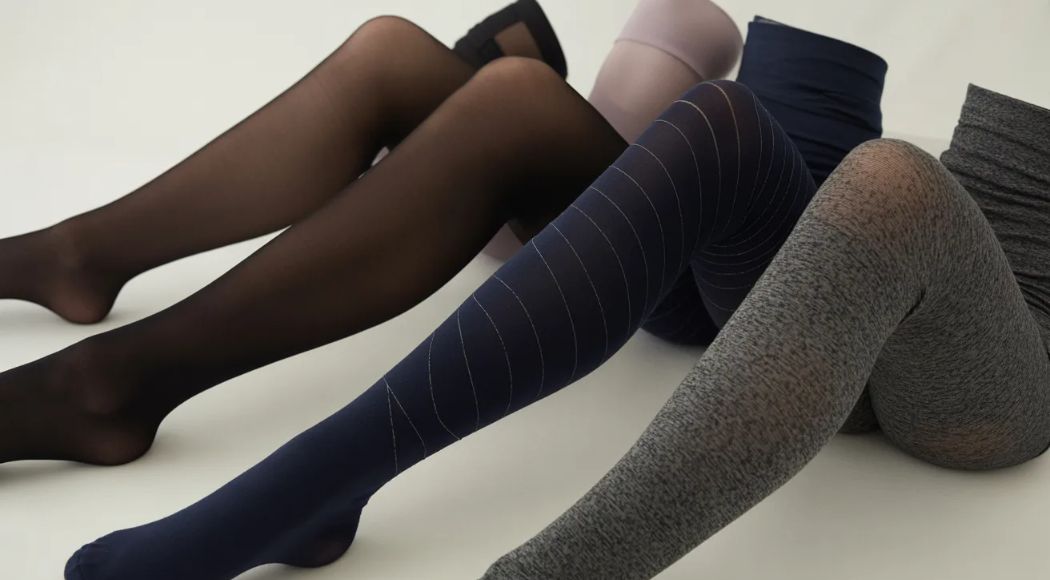
They look similar on the hanger. They both hug the legs, come in black, and disappear into thousands of outfits without drawing attention. Yet grab the wrong one for the wrong occasion and you will spend your day uncomfortably exposed, inappropriately casual, or simply cold. The difference between tights and leggings is one of those fashion fundamentals that seems obvious once you understand it but that confuses millions of people every day, leading to mismatched outfits, awkward moments, and wasted money on garments that do not serve their intended purpose.
- What Are Tights? A Complete Definition
- What Are Leggings? A Complete Definition
- Background and History: Where Both Garments Came From
- The Core Difference Between Tights and Leggings: A Direct Comparison
- Complete Side-by-Side Comparison Chart
- Why the Difference Between Tights and Leggings Still Matters in 2026
- How to Style Tights: Best Practices
- How to Style Leggings: Best Practices
- Conclusion
This confusion is not a personal failing. It is a product of decades of fashion industry crossover, where tights became thicker, leggings became sheerer, and the boundary between hosiery and legwear became progressively less defined. In 2026, with both categories more diverse than ever compression leggings, thermal tights, opaque tights, athletic leggings, dress leggings the need for a genuinely clear, complete guide to the difference between tights and leggings has never been greater.
This article covers everything about difference between tights and leggings the full history of both garments, precise fabric and construction differences, the denier system explained, opacity and coverage compared, styling contexts for each, care instructions, cost comparisons, and a complete side-by-side chart. By the end, you will know exactly what you are holding when you pick up either garment and exactly which one belongs in your outfit.
What Are Tights? A Complete Definition
Tights are a form of close-fitting legwear that typically cover the body from the waist to the feet. They are usually made from a stretchy, thin fabric that conforms to the shape of the legs, providing a smooth and streamlined look. Tights are commonly made of materials such as nylon, spandex, or a blend of both, which gives them their elasticity and durability. One of the defining features of tights is that they often have a reinforced toe and a gusset at the crotch for added comfort and functionality.
The key identifier of tights the feature that most clearly separates them from leggings is the denier system. Denier refers to the weight of the yarn used to produce the fabric and directly determines how opaque or sheer the finished garment appears.
Understanding the Denier Scale
| Denier Range | Opacity | Typical Use |
| 5–15 denier | Ultra-sheer; skin fully visible | Formal occasions, evening wear |
| 20–30 denier | Sheer; skin visible in direct light | Office wear, dresses |
| 40–60 denier | Semi-opaque; skin not clearly visible | Everyday wear, cooler weather |
| 70–100 denier | Opaque; no skin visible | Cold weather, casual layering |
| 100–200 denier | Fully opaque; very warm | Winter wear, thermal tights |
Lower denier tights, such as 5–20 denier, are sheer and are often worn for a more delicate and feminine look, while higher denier tights, like 80–200 denier or more, are opaque and offer more warmth and coverage.
What Are Leggings? A Complete Definition
Leggings are thick, stretchy activewear pants designed to be worn on their own. These comfy bottoms come in tons of different styles, fabrics, and colors, and are super versatile. Leggings come in materials like cotton, polyester, nylon, or spandex blends. They’re usually opaque so you don’t need to worry about them being see-through.
Unlike tights, leggings do not use the denier system as a defining characteristic. Instead, leggings are classified by their fabric weight (gsm grams per square meter), their intended use (athletic, casual, thermal, dress), and their waistband construction. Most quality leggings end at the ankle without covering the foot, making them distinct from tights in both coverage area and construction.
Premium leggings use thicker, more opaque materials designed for complete coverage during movement. Most quality options blend cotton or polyester with spandex to create a substantial fabric that maintains opacity even during stretches and squats.
Background and History: Where Both Garments Came From
The History of Tights
Tights as a distinct garment category trace their origins to the Renaissance era, when men hose leg coverings attached at the waist were standard male dress. Women’s hosiery developed separately through the 18th and 19th centuries as stockings held up by garters. The invention of nylon by DuPont in 1938 transformed hosiery permanently, replacing silk stockings with a durable, affordable alternative. Tights full-length hosiery covering from waist to toe became mainstream women’s wear in the early 1960s, driven by the miniskirt revolution which made garter-attached stockings impractical. Understanding this evolution is key to the difference between tights and leggings, as both garments developed from hosiery but evolved into completely different categories of modern legwear.
Key milestones in tights history:
| Period | Development |
| Renaissance | Men’s hose covers legs; women wear separate stockings |
| 1938 | DuPont invents nylon; silk stockings replaced permanently |
| 1959 | Allen Gant Sr. invents the first commercially produced tights (pantyhose) |
| 1960s | Miniskirt trend drives mass adoption of tights across Western fashion |
| 1970s | Tights become a wardrobe staple across all demographics |
| 1980s | Colored and patterned tights enter mainstream fashion |
| 2000s | Opaque high-denier tights blur the line with leggings |
| 2026 | Thermal tights, compression tights, and fashion tights all active categories |
The History of Leggings
Leggings have a longer, more diverse history than most people realize. Leg coverings described as leggings appear in records of Native American and Scottish Highland dress from the 17th and 18th centuries practical garments protecting the lower leg in outdoor conditions. The modern fashion legging, however, is a product of the 1950s and 1960s, credited significantly to fashion designer Emilio Pucci, who introduced fitted ankle-length pants for women as resort wear.
The legging as a mass-market wardrobe staple did not arrive until the 1980s, driven by the aerobics and fitness boom. Olivia Newton-John’s costuming in the 1978 film Grease and Jane Fonda’s workout videos of the early 1980s embedded leggings permanently in Western fashion culture. The athleisure revolution of the 2010s led by brands including Lululemon, Nike, and Athleta transformed leggings from gym wear into a daily wardrobe cornerstone.
The Core Difference Between Tights and Leggings: A Direct Comparison
The difference between tights and leggings can be understood across seven distinct dimensions.
1. Fabric and Construction
One of the clearest distinctions in the difference between tights and leggings lies in fabric composition. Leggings are commonly made from blends that include cotton, polyester, spandex, or nylon. These materials give them thickness and opacity. Many modern leggings also incorporate performance fabrics that wick moisture, making them suitable for workouts or long days on the go. Tights, on the other hand, are often crafted from nylon or microfiber with a higher percentage of stretch. This gives them a smooth, lightweight feel that hugs the legs closely and allows for a sheer or semi-sheer finish depending on denier.
2. Opacity and Coverage
This is the most practically important dimension of the difference between tights and leggings for everyday dressing decisions.
Leggings are opaque and thick. They can be worn as pants, whereas tights are tight, sheer, and worn underneath pants, skirts, and dresses.
Quality leggings should maintain complete opacity through the full range of movement. The standard test: perform a deep squat in bright lighting before removing tags. Premium leggings should remain completely opaque regardless of position.
Tights, unless they are 100 denier or above, will show skin to some degree. This is a feature of tights, not a defect the sheer quality of standard tights is deliberate and defines their role as a layering piece rather than a standalone bottom.
3. Foot Coverage
This is the clearest visual distinction: most tights cover the foot entirely, including the toe area with a reinforced toe seam. Most leggings end at the ankle. Some leggings include a stirrup strap under the foot but do not cover the toes.
Exceptions exist in both categories footless tights are widely available, and some athletic compression tights also end at the ankle but the toe-covering construction remains the standard tights format and is never found in leggings.
4. Waistband Construction
Compression leggings usually look “sportier” than regular leggings. They will usually have a thicker waistband and are often high rise. You may notice more panels on the legs.
Leggings typically feature a wide, structured waistband often 2 to 4 inches designed to stay in place during active movement and provide mild abdominal support. Tights use a narrow elastic waistband designed for comfort while sitting and standing, not for supporting athletic movement.
5. Durability and Care
Leggings generally withstand repeated washing better, while tights require gentler care. Thickness plays a major role in how leggings and tights are worn.
Tights are less durable due to their thinner fabric, making them more prone to wear and tear. In contrast, leggings are sturdier and designed to withstand regular use.
Care guide at a glance:
| Garment | Wash | Dry | Frequency |
| Leggings | Cold water, gentle cycle | Low tumble or air dry | Every 1–2 wears |
| Tights | Hand wash or mesh bag, cold | Air dry only; no tumble | Every 1–2 wears |
6. Warmth and Insulation
Leggings provide significantly more warmth than standard tights due to their thicker fabric construction. A pair of mid-weight leggings (approximately 200–300 gsm fabric weight) provides insulation roughly equivalent to 100–150 denier tights, but with far greater durability and structural coverage.
For cold weather use, thermal tights (150–200 denier) and thermal leggings both provide meaningful warmth but the legging fabric will maintain its insulating properties wash after wash, while high-denier tights thin slightly with repeated laundering.
7. Styling Context
Tights work well for formal or professional settings, providing added warmth and coverage, especially in colder weather. Meanwhile, leggings are more versatile, and ideal for casual wear, workouts, or lounging, offering flexibility and comfort in a variety of settings.
Complete Side-by-Side Comparison Chart
| Feature | Tights | Leggings |
| Primary fabric | Nylon, microfiber, spandex | Cotton, polyester, spandex blends |
| Fabric weight | Light (measured in denier) | Heavy (measured in gsm) |
| Opacity | Sheer to opaque (denier-dependent) | Fully opaque |
| Foot coverage | Usually yes (reinforced toe) | No (ends at ankle) |
| Waistband | Narrow elastic | Wide structured band |
| Worn as standalone | Only 100+ denier | Always |
| Best occasion | Formal, office, layering | Casual, athletic, everyday |
| Durability | Lower; prone to runs | Higher; withstands regular washing |
| Warmth | Varies by denier | Consistently warm |
| Price range | $5–$30 standard; $15–$60 quality | $15–$40 mid-range; $60–$150 premium |
| Care | Hand wash or delicate cycle; air dry | Machine wash cold; air dry preferred |
Why the Difference Between Tights and Leggings Still Matters in 2026
In 2026, Gen Z fashion preferences have shifted significantly toward wide-leg trousers, cargo pants, and oversized silhouettes yet both tights and leggings remain active, commercially thriving categories for distinct reasons.
Leggings have become so embedded in athleisure culture that the global leggings market was valued at approximately $38 billion in 2023 and continues to grow, driven by remote work culture, gym attendance growth, and the continued dominance of comfort-first dressing.
Tights retain their cultural position as the formal hosiery category of choice, irreplaceable in professional dress codes, evening wear, and school uniform requirements across most Western markets. Premium hosiery brands including Wolford, Falke, and Fogal continue to produce denier-graduated tights at price points exceeding $50 per pair, serving a market that understands hosiery as an investment accessory rather than a disposable commodity.
Understanding the difference between tights and leggings prevents the most common dressing errors: appearing underdressed in a formal context because leggings read as too casual, or appearing underdressed in an active context because sheer tights offer no coverage for movement.
How to Style Tights: Best Practices
Tights work best when styled as a deliberate layering element rather than an afterthought:
- Under mini and midi dresses: Match tights to shoe color to elongate the leg visually; black tights with black shoes create an unbroken vertical line
- Under skirts in cooler weather: 40–60 denier opaque tights provide warmth without the bulk of leggings under fitted skirts
- With shorts: 20–30 denier sheer tights under tailored shorts is a sophisticated styling choice frequently seen on professional fashion editorial pages
- Pattern tights as a statement: Cable-knit or fishnet tights worn under a simple shift dress add visual interest without introducing a competing print
How to Style Leggings: Best Practices
Leggings offer more standalone styling flexibility than tights, but a few principles consistently produce polished results:
- Balance proportions: Fitted leggings read best paired with a longer top that covers the seat; this applies in athletic, casual, and smart-casual contexts equally
- Match the occasion: Athletic performance leggings belong in gym and outdoor contexts; cotton or dress-fabric leggings work in casual social and errand-running settings
- Test opacity before wearing: The deep-squat test in bright lighting is the definitive check before removing tags from any new legging purchase
- Footwear matters: Ankle-length leggings pair well with trainers, loafers, and ankle boots; avoid mid-calf boots with ankle-length leggings as this creates an unflattering horizontal cut across the leg
Conclusion
The difference between tights and leggings comes down to five core distinctions: fabric weight, opacity, foot coverage, durability, and intended styling context. Tights are thin, denier-graded hosiery designed primarily as a layering piece under dresses, skirts, and formal outfits. Leggings are thick, opaque, structured legwear designed to be worn as standalone bottoms in casual, athletic, and everyday contexts.
Key takeaways:
- Tights use the denier system (5–200 denier) to determine opacity; leggings do not
- Leggings cover from waist to ankle; most tights cover waist to toe
- Leggings are always opaque; tights are opaque only at 100+ denier
- Leggings are significantly more durable and withstand regular machine washing
- Tights suit formal and layering contexts; leggings suit casual, athletic, and everyday wear
- The global leggings market was valued at approximately $38 billion in 2023; tights remain indispensable for professional and formal dress codes
- When in doubt: if you need to wear it as your only bottom half covering, choose leggings. If you are layering under a dress or skirt, choose tights.
Understanding the difference between tights and leggings at this level of detail means you will never again stand in front of your wardrobe unsure which one serves your needs and you will never again leave the house in a garment that was designed for something else entirely.