Jewelry Tips: Expert Guide to Buy, Care & Wear Smarter
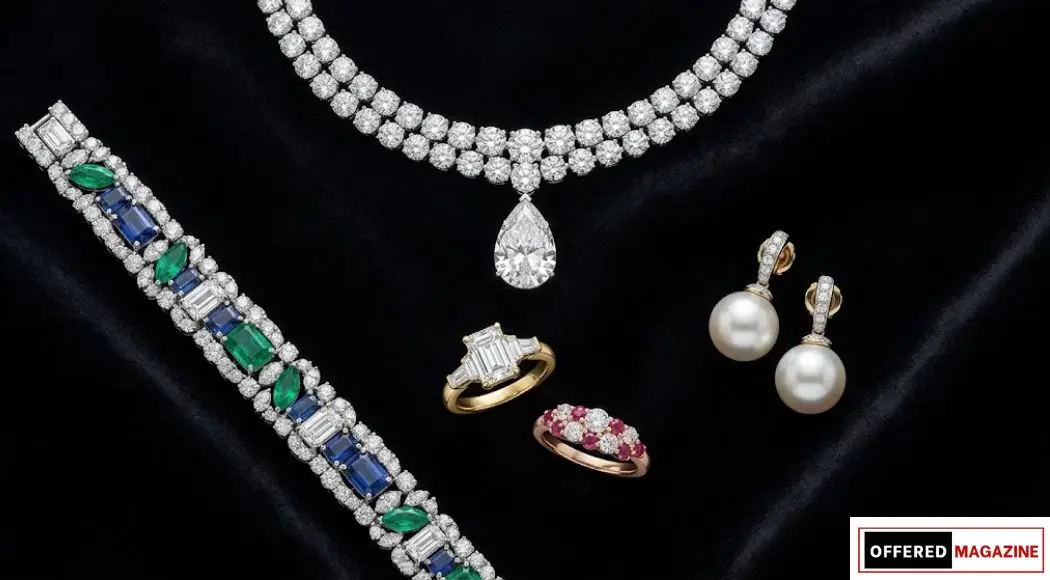
Jewelry tips are the difference between pieces that shine for decades and ones that lose value, break, or disappoint within months of purchase. Whether you own a single gold ring or a full collection of diamonds, gemstones, and luxury watches, what you know about jewelry determines how well it serves you both emotionally and financially.
- Jewelry Tips for Buying: What to Know Before You Spend
- Jewelry Tips for Gold: Quality, Purity & Value
- Jewelry Tips for Gemstones: Identification & Quality
- Jewelry Care Tips: Daily Habits That Protect Your Investment
- Jewelry Storage Tips: Preventing Damage Between Wearings
- Jewelry Maintenance Tips: Professional Care Schedule
- Jewelry Tips for Resale: Maximizing Your Return
- Conclusion
Every year, thousands of buyers overpay for low-quality pieces, damage their jewelry through improper care, or sell items for far less than their true worth—all because no one gave them the right guidance at the right time. The global jewelry market surpassed $353 billion in 2025, and within that market, informed buyers consistently make better purchases, maintain better pieces, and get better returns on resale.
This guide delivers the most practical, research-backed jewelry tips covering everything: how to buy confidently, how to identify quality, how to care for different metals and gemstones, how to store pieces correctly, what professional appraisals tell you that apps cannot, and how to protect your investment for the long term. Before you spend another dollar on jewelry or let another piece deteriorate in a drawer, read this first.
Jewelry Tips for Buying: What to Know Before You Spend
Buying jewelry without knowledge is one of the most expensive mistakes a consumer can make. These foundational jewelry tips apply to every purchase, from a simple gold chain to a diamond engagement ring.
Always Verify the Hallmark
Every legitimate piece of gold, silver, or platinum jewelry carries a hallmark, a stamped mark indicating metal purity. Before purchasing:
- Gold: Look for 375 (9ct), 585 (14ct), 750 (18ct), or 999 (24ct)
- Silver: Look for 925 (sterling silver) or 999 (fine silver)
- Platinum: Look for 850, 900, 950, or PT950
A piece without a hallmark is a red flag. Reputable jewelers always source hallmarked metal, and the absence of one suggests either low-quality alloy or misrepresentation.
Understand the 4Cs Before Buying a Diamond
The 4Cs—cut, color, clarity, and carat—are the universal standard for diamond quality, established by the Gemological Institute of America (GIA).
| C | What It Means | What Matters Most |
| Cut | How well the diamond reflects light | Most important affects sparkle directly |
| Colour | How colorless the stone is (D = colorless, Z = yellow tint) | D–G grades are near-colorless to eye |
| Clarity | Number and visibility of internal inclusions | VS2 or SI1 offers good value for eye-clean stones |
| Carat | Weight of the diamond (not size) | Heavier ≠ always bigger cut affects spread |
Never purchase a diamond without a GIA or AGS grading certificate. A certificate is proof a jeweler’s verbal assurance is not.
Research Market Price Before Visiting a Store
One of the most important steps is doing price research before entering a jewelry store. Retail markup on jewelry is typically 100–300% above wholesale value. Using a reputable jewelry appraisal app before and after purchase gives you an independent baseline, reducing the risk of overpaying significantly.
Jewelry Tips for Gold: Quality, Purity & Value
Gold jewelry is the most widely purchased fine jewelry category globally. The guidance below will prevent the most common and costly mistakes.
Know Your Karats
| Karat | Gold Purity | Best Use | Durability |
| 24ct | 99.9% pure | Investment/bullion | Too soft for daily wear |
| 18ct | 75% gold | Fine jewelry, special occasions | Excellent |
| 14ct | 58.5% gold | Everyday wear | Very good |
| 9ct | 37.5% gold | Budget jewelry | Good, harder alloy |
For daily wear rings and bracelets, 14ct or 18ct strikes the best balance between purity and durability.
Test for Authenticity at Home
A simple magnet test provides a first check: genuine gold is not magnetic. If a piece strongly attracts to a neodymium magnet, it is likely a base metal with gold plating. For conclusive testing, an acid test kit (available at jewelers’ suppliers) or professional XRF testing at a jeweler provides definitive results.
Jewelry Tips for Gemstones: Identification & Quality
The Difference Between Natural, Lab-Grown, and Synthetic
- Natural gemstones form over millions of years in the earth rarer, commands premium resale value
- Lab-grown gemstones (rubies, sapphires, emeralds, diamonds) have identical chemical structure to natural but are produced in weeks at a significantly lower cost with negligible resale value
- Synthetic/simulant stones (e.g., cubic zirconia, moissanite) resemble gemstones visually but are chemically different with no resale value
Always ask for documentation. A GIA, AGL, or Gübelin certificate for a gemstone is the only reliable proof of its natural origin and quality grade.
Jewelry Care Tips: Daily Habits That Protect Your Investment
The most expensive jewelry mistakes are often made after purchase, not during. The following guidance prevents the most common forms of damage and degradation.
Remove Jewelry Before These Activities
| Activity | Why It Causes Damage |
| Swimming (chlorinated pool) | Chlorine weakens gold alloys and attacks prong settings |
| Swimming (sea water) | Salt accelerates oxidation in silver and corrodes metal clasps |
| Gym and exercise | Impact and sweat accelerate wear on prong settings and chains |
| Cleaning with chemicals | Bleach, ammonia, and acetone dissolve surface finishes |
| Applying perfume or lotion | Chemicals dull gemstone surfaces and build up in settings |
| Sleeping | Constant friction damages chains, clasps, and pavé settings |
The rule is simple: jewelry goes on last and comes off first.
Cleaning Different Metals and Stones
Gold and platinum: Mix a few drops of mild dish soap in warm water. Use a soft-bristle toothbrush to gently clean around settings. Rinse and pat dry with a lint-free cloth. Never use ultrasonic cleaners on pieces with emeralds, opals, pearls, or treated stones.
Silver: Use a dedicated silver polishing cloth to remove tarnish. For deeper cleaning, baking soda paste (mixed with water) applied with a soft cloth then thoroughly rinsed works effectively. Store silver pieces in anti-tarnish bags when not in use.
Pearls: Wipe with a damp, soft cloth only. Never use chemical cleaners; pearls are organic, and their nacre dissolves in acid. Re-string pearl necklaces every 2–3 years as silk thread absorbs oils and weakens.
Jewelry Storage Tips: Preventing Damage Between Wearings
Improper storage causes more jewelry damage than wearing does. These are the most important storage practices:
- Store pieces individually; metal-on-metal contact causes scratches; harder gemstones (diamonds) will scratch softer ones (emeralds, opals)
- Use fabric-lined compartments; velvet or microfiber prevents surface abrasion
- Keep silver in anti-tarnish bags or with silica gel packets to control humidity that accelerates tarnish
- Store pearls separately and flat; hanging pearl necklaces stretches and weakens the silk thread
- Avoid bathroom storage humidity, temperature fluctuations, and product vapors; they accelerate damage
- Check prong settings every 6–12 months; loose prongs are the leading cause of gemstone loss
Jewelry Maintenance Tips: Professional Care Schedule
Even perfectly cared-for jewelry requires periodic professional attention.
| Service | Recommended Frequency | What It Addresses |
| Professional cleaning | Every 6–12 months | Buildup in settings, dull surfaces |
| Prong retipping | Every 3–5 years | Worn prong tips that risk stone loss |
| Rhodium replating (white gold) | Every 1–3 years | White gold yellows without rhodium coating |
| Re-stringing (pearl necklaces) | Every 2–3 years | Silk thread weakening |
| Full appraisal update | Every 3–5 years | Insurance valuation, resale documentation |
A qualified jeweler membership in the Gemological Institute of America (GIA), American Society of Jewelry Appraisers (ASJA), or National Association of Jewellers (NAJ) provides assurance of professional standards.
Jewelry Tips for Resale: Maximizing Your Return
When the time comes to sell, what you know about your jewelry’s value determines what you receive. The following guidance applies to private sales, auction houses, and dealer transactions:
- Get an independent appraisal first; never rely on a buyer’s valuation alone
- Gather all original certificates and documentation. GIA certificates can increase sale price by 15–30% for diamonds
- Understand current metal spot prices; gold and platinum value fluctuates daily; check the London Bullion Market Association price before selling
- Consider auction for rare or antique pieces for estate jewelry and signed designer pieces; specialist auction houses consistently outperform private buyers
- Compare at least three offers; the spread between the lowest and highest buyer offer is frequently 40–60% on identical pieces
Conclusion
These jewelry tips cover every stage of jewelry ownership, from buying with confidence and identifying quality to caring correctly, storing properly, maintaining professionally, and selling strategically. The common thread running through all of them is the same: knowledge protects value.
Jewelry is one of the few purchases that can appreciate over time, carry emotional meaning, and serve as a genuine financial asset, but only when it is treated with the understanding it deserves. Apply these jewelry tips consistently, and every piece in your collection will remain beautiful, safe, and genuinely valuable for years to come.