Health for Life Baltimore: Transforming Community Wellness in Maryland
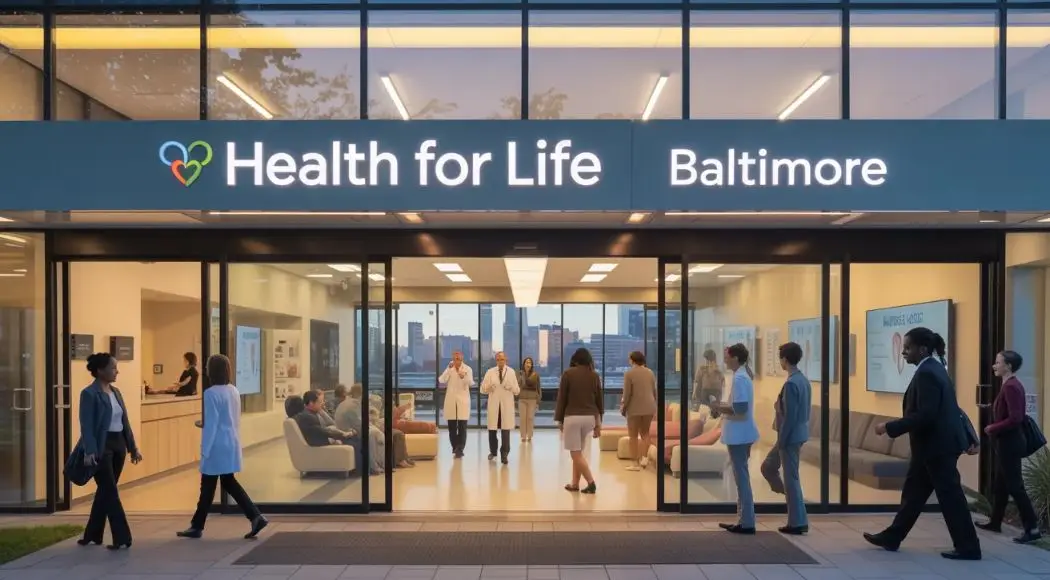
Baltimore is a city of resilience and in recent years, it has become a city increasingly serious about the health of its residents. From community clinics to integrated wellness programs, one name keeps appearing at the center of these conversations Health for Life Baltimore. Whether you’ve heard it mentioned by a physician, seen it referenced in a local health initiative, or searched it out of personal curiosity, understanding what this program represents can meaningfully impact how you approach your own health decisions.
This guide is designed to give you a comprehensive, honest look at Health for Life Baltimore what it is, who it serves, what services are available, and how it compares to other wellness resources in the region. Whether you are a Baltimore resident seeking better healthcare access, a caregiver exploring options for a loved one, or simply someone committed to long-term wellness, this article will give you the clarity and direction you need.
What Is Health for Life Baltimore?
Overview and Mission
Health for Life Baltimore is a community-centered health and wellness initiative operating within Maryland’s largest city. At its core, the program is designed to bridge the gap between clinical healthcare and everyday wellness making quality health resources accessible to residents across all demographics and income levels.
Baltimore has historically faced significant public health challenges. According to the Baltimore City Health Department, the city’s life expectancy has lagged behind the national average, with stark disparities between neighborhoods. Programs like Health for Life Baltimore directly address these gaps by providing:
- Preventive health screenings
- Chronic disease management support
- Mental health and behavioral wellness services
- Nutrition and lifestyle education
- Connection to community health workers and case managers
Who Does It Serve?
It is built with inclusivity as a foundational principle. Primary populations served include:
- Uninsured and underinsured residents who lack regular access to primary care
- Adults managing chronic conditions such as diabetes, hypertension, asthma, and obesity
- Seniors requiring coordinated care and preventive services
- Youth and families in under-resourced neighborhoods
- Individuals recovering from substance use disorders, with connections to behavioral health support
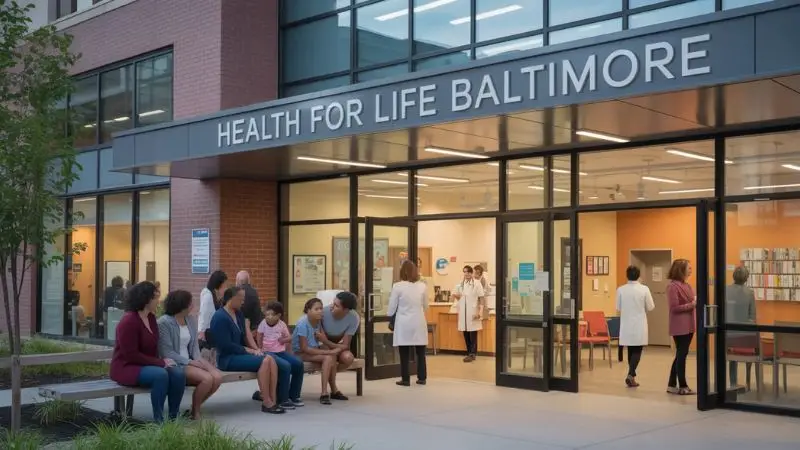
The program is not limited to a single clinic or facility. It functions through a network of community health centers, partner hospitals, outreach workers, and digital health tools making it accessible across Baltimore’s diverse neighborhoods.
Core Services Offered Through Health for Life Baltimore
Preventive Care and Health Screenings
One of the most impactful pillars of Health for Life Baltimore is its emphasis on prevention. Rather than waiting until a health crisis occurs, the program promotes early detection and risk reduction through:
- Annual wellness exams and physical checkups
- Blood pressure, cholesterol, and diabetes screenings
- Cancer screenings (cervical, colorectal, breast)
- Vision and dental health assessments
- Immunizations and vaccine education
Why this matters: The CDC estimates that up to 80% of premature heart disease, stroke, and type 2 diabetes cases can be prevented through lifestyle changes and early intervention. Preventive care is the single most cost-effective investment in long-term health.
Chronic Disease Management
Baltimore has some of the highest rates of chronic disease in Maryland. The Health for Life Baltimore chronic disease management program connects patients with:
- Dedicated care coordinators
- Disease-specific education workshops (diabetes self-management, hypertension control)
- Medication management and adherence support
- Regular monitoring and follow-up appointments
- Peer support groups
Real-world example: A Johns Hopkins Bloomberg School of Public Health study found that structured community health worker programs in urban settings reduced preventable emergency room visits by up to 25% among chronic disease patients a model directly reflected in how Health for Life Baltimore structures its outreach.
Mental Health and Behavioral Wellness
Mental health remains one of the most underserved areas in urban healthcare. Recognizing this, Health for Life Baltimore integrates behavioral health services directly into its wellness model:
- Individual counseling and therapy referrals
- Stress management and mindfulness workshops
- Substance use recovery support
- Crisis intervention resources
- Youth mental health programming
The integration of mental and physical health services under one umbrella is a practice increasingly endorsed by the World Health Organization, which identifies integrated care models as the most effective approach to population health improvement.
Nutrition, Fitness & Lifestyle Education
Sustainable health requires sustainable habits. It supports residents in building those habits through:
- Nutrition counseling and healthy cooking demonstrations
- Community fitness programs and walking groups
- Weight management support
- Smoking cessation programs
- Health literacy workshops in English and Spanish
These programs are often delivered at neighborhood-level community centers, schools, and faith organizations reducing barriers related to transportation or time.
How Health for Life Baltimore Compares to Other Resources in Maryland
Versus Standard Primary Care Clinics
Traditional primary care clinics focus primarily on diagnosis and treatment. Health for Life Baltimore goes further by embedding preventive care, social support, and lifestyle coaching into its service model addressing the root causes of health disparities rather than just the symptoms.
Versus Hospital-Based Programs
Major Baltimore hospitals like Johns Hopkins and the University of Maryland Medical Center offer excellent clinical care but can be difficult to access for uninsured or low-income residents. Community-based programs fill this gap by meeting people where they are in their neighborhoods.
Versus Individual Wellness Apps and Services
Digital wellness tools are increasingly popular, but they lack the human connection and cultural competency that in-person community health programs provide. Health for Life Baltimore combines evidence-based health education with trusted community relationships something no app can fully replicate.
How to Access Health for Life Baltimore Services
Getting connected to it’s services is designed to be as straightforward as possible.
Step-by-step access guide:
- Contact a community health worker — many are embedded in local clinics, schools, and community centers across Baltimore
- Call the Baltimore City Health Department at 443-984-2100 for referrals and intake guidance
- Visit a Federally Qualified Health Center (FQHC) — Baltimore has multiple FQHCs that partner with the program, including those operated by Chase Brexton Health Care and Total Health Care
- Inquire at your employer or school — many Baltimore institutions partner with community health programs for employee and student wellness
- Check online — the Baltimore City Health Department website lists current programs, locations, and eligibility
Insurance and cost: Many services are available on a sliding-fee scale based on income. Uninsured residents are not turned away.
The Broader Impact: Why Programs Like This Matter for Baltimore
The data paints a clear picture of need. According to the Maryland Department of Health:
- Baltimore City has a premature death rate significantly higher than the Maryland state average
- Nearly 1 in 4 Baltimore adults lives with obesity
- Rates of diabetes, hypertension, and cardiovascular disease are disproportionately high in low-income and minority communities
This is one part of a larger ecosystem working to reverse these trends. By focusing on prevention, chronic disease management, mental health, and social determinants of health including food access, housing stability, and economic opportunity the program addresses health at the community level, not just the individual level.
Research consistently shows that community-based health interventions produce measurable results:
- Reduced hospital readmissions
- Lower rates of preventable emergency department visits
- Improved medication adherence among chronic disease patients
- Higher rates of cancer screening completion in targeted communities
Conclusion
Health for Life Baltimore represents a model of community health that goes beyond traditional medicine. It is a network, a philosophy, and a practical resource for residents who want to take control of their health regardless of their income, insurance status, or neighborhood.
If you or someone you know could benefit from preventive care, chronic disease support, mental health resources, or simply a healthier lifestyle, Health for Life Baltimore is a place to start. Reach out to a community health worker, contact the Baltimore City Health Department, or visit a local community health center to begin your journey.
Health is not a luxury. In Baltimore, programs like this are working every day to make sure it isn’t treated like one.