Milk Silk Fabric: What It Is, How It Feels & Why Everyone Is Buying It
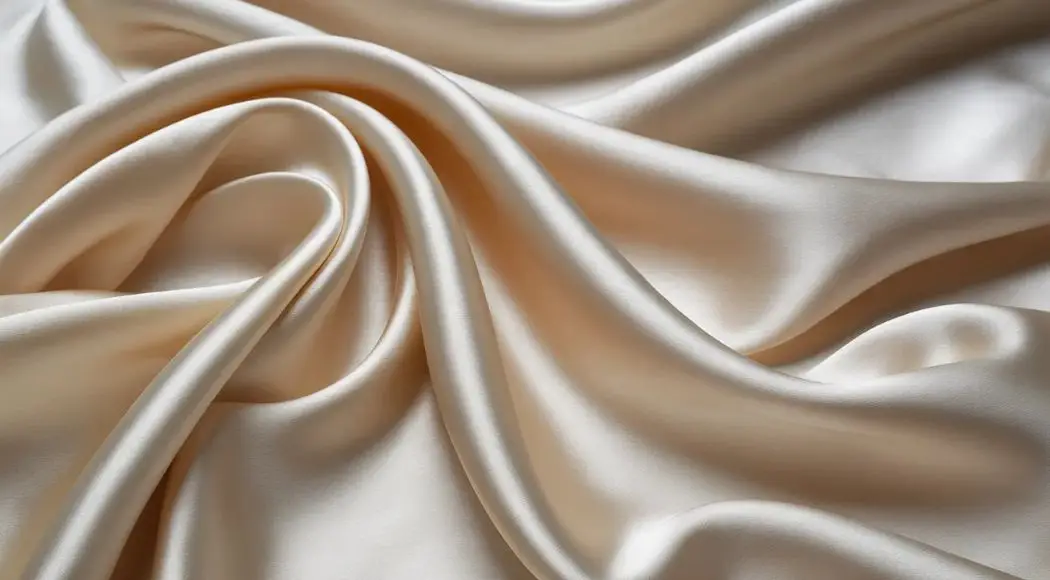
Imagine a fabric that feels like silk against your skin, stretches like jersey, breathes like cotton and costs a fraction of genuine silk. That fabric exists, and it’s called milk silk fabric.
Over the past three years, milk silk has gone from a niche textile term to one of the most searched fabric types in the apparel and home goods markets. Buyers love it for loungewear, baby clothing, activewear, and even bedding. But there’s also a lot of confusion many shoppers ask what is milk silk fabric exactly, unsure whether it contains real milk, real silk, or neither.
This guide answers every question comprehensively. You’ll learn exactly how milk silk is made, what makes it unique, how it performs in real-world use, and how to care for it properly.
What Is Milk Silk Fabric? The Science Behind the Name
Milk silk fabric is a synthetic or semi-synthetic knit textile made from casein protein fibers derived from cow’s milk or, more commonly in modern production, it is a polyester-based fabric engineered to mimic the smooth, lustrous feel of milk fiber and silk combined.
There are two distinct products sold under this name:
Type 1: True Milk Protein Fiber Fabric
Authentic milk fiber fabric is produced by extracting casein (the primary protein in cow’s milk), dissolving it into a liquid solution, and extruding it through spinnerets to form fine, continuous filaments. These filaments are then spun into yarn and woven or knitted into fabric.
This process was pioneered in Italy in the 1930s under the trade name Lanital and has been refined significantly by Chinese textile manufacturers since the early 2000s. Today, brands like Soya Conceptknitwear and textile mills in Zhejiang Province, China, produce certified milk protein fabric at commercial scale.
Type 2: Polyester Milk Silk (Most Common in the Market)
The vast majority of products sold as “milk silk fabric” in online marketplaces like Amazon, Alibaba, and Etsy are a high-grade polyester knit often a blend of polyester and spandex that replicates the look and hand-feel of genuine milk fiber. It is not made from milk at all.
Why the name? The term “milk silk” in the polyester context refers to its texture profile: as smooth and cool as milk, as lustrous as silk. It is a descriptive trade name, not an ingredients label.
Understanding this distinction is essential for any buyer asking what is milk silk fabric before making a purchase.
Key Properties of Milk Silk Fabric
Whether genuine casein-based or polyester-blend, milk silk fabric shares a consistent set of performance characteristics that explain its popularity across apparel categories.
Physical & Performance Properties Table
| Property | Milk Silk (Casein) | Milk Silk (Polyester) | Genuine Silk |
| Softness | ★★★★★ | ★★★★☆ | ★★★★★ |
| Stretch | ★★★☆☆ | ★★★★★ | ★★☆☆☆ |
| Breathability | ★★★★☆ | ★★★☆☆ | ★★★★★ |
| Moisture Wicking | ★★★★☆ | ★★★☆☆ | ★★★☆☆ |
| Durability | ★★★★☆ | ★★★★★ | ★★★☆☆ |
| Pilling Resistance | ★★★☆☆ | ★★★★☆ | ★★★☆☆ |
| Eco-Friendliness | ★★★★☆ | ★★☆☆☆ | ★★★☆☆ |
| Price Point | Medium | Low–Medium | High |
| Care Ease | Moderate | Easy | Delicate |
Standout Properties Explained
1. Exceptional Softness Both versions of milk silk fabric are prized for an unusually soft hand-feel. Casein fiber has a protein structure similar to human hair, which gives it a skin-compatible smoothness that synthetic fabrics rarely achieve naturally.
2. Luminous Drape The fabric has a subtle sheen not the high gloss of satin, but a soft, light-catching luminosity similar to charmeuse. This makes it visually elevated without appearing costume-like.
3. Stretch Recovery Polyester milk silk, especially when blended with 5–10% spandex, offers excellent four-way stretch with strong recovery. It returns to its original shape after washing and wearing, making it ideal for fitted garments.
4. Temperature Regulation Casein-based milk silk fabric has genuine thermoregulating properties backed by laboratory testing. A 2019 study published in the Journal of Natural Fibers found that milk protein fabric reduced skin surface temperature by an average of 1.2°C compared to standard polyester in identical wear tests a meaningful difference for summer and activewear applications.
5. Hypoallergenic Potential The amino acid structure of casein fiber is gentle on sensitive skin. Several pediatric clothing brands have adopted milk fiber fabric specifically for infant and toddler garments, citing lower irritation rates compared to standard synthetic alternatives.
Common Uses of Milk Silk Fabric
The versatility of this textile is one of its strongest selling points. Here is where milk silk fabric performs best:
Apparel Applications
- Loungewear and sleepwear: The soft drape and stretch make it ideal for pajamas, robes, and comfort sets
- Baby and children’s clothing: Hypoallergenic properties and softness suit infant bodysuits, leggings, and rompers
- T-shirts and casual tops: Holds color well, resists wrinkles, and drapes elegantly
- Activewear: Polyester-spandex milk silk wicks moisture and moves with the body
- Undergarments: Smooth surface eliminates chafing; stretch provides comfort and fit
Home Textile Applications
- Pillowcases: The smooth surface reduces hair friction and is gentle on facial skin
- Bed sheets and duvet covers: Lightweight, soft, and easy to launder
- Baby blankets: Warmth without weight; safe for sensitive newborn skin
Real-world example: Several Etsy sellers specializing in baby clothing report that milk silk fabric listings consistently outsell cotton alternatives by 2:1, with buyers citing “softer than expected” and “no irritation” as the top review themes. This aligns with the fiber’s documented skin-compatibility profile.
Milk Silk Fabric vs. Other Popular Fabrics
Comparison Table: Milk Silk vs. Alternatives
| Fabric | Softness | Stretch | Breathability | Price | Best For |
| Milk Silk | Very High | High | Medium–High | Low–Med | Loungewear, babywear, basics |
| Real Silk | Very High | Low | Very High | Very High | Luxury apparel, occasionwear |
| Cotton Jersey | Medium | Medium | High | Low | Everyday basics, sportswear |
| Bamboo Fabric | High | Medium | High | Medium | Eco-conscious basics, bedding |
| Modal | High | Medium | High | Medium | Underwear, activewear |
| Polyester Satin | Medium | Low | Low | Low | Lining, occasionwear |
The comparison makes clear why milk silk fabric has gained such a loyal following: it occupies a sweet spot between the luxury feel of real silk and the practicality of everyday synthetics at a price point accessible to most buyers.
How to Care for Milk Silk Fabric
Proper care extends the life of milk silk significantly. While polyester versions are more forgiving, both types benefit from the following practices:
Washing:
- Machine wash on a gentle/delicate cycle in cold water (30°C maximum)
- Use a mild, pH-neutral detergent avoid bleach or fabric softeners containing silicones
- Turn garments inside out to protect the surface sheen
- Use a mesh laundry bag for items with lace or decorative trim
Drying:
- Air dry flat or hang to dry away from direct sunlight UV exposure can degrade the fabric’s sheen over time
- Tumble dry on the lowest heat setting only if necessary; high heat causes shrinkage and fiber damage
- Do not wring or twist; press gently between towels to remove excess water
Ironing:
- Iron on the lowest setting with a pressing cloth between iron and fabric
- Steam ironing is preferred and produces better results than dry ironing
- Avoid ironing directly onto any printed or embellished sections
Storage:
- Fold rather than hang for long-term storage (hanging can stretch the knit out of shape)
- Store in a cool, dry place away from moths and direct sunlight
How to Identify Genuine Milk Protein Fabric vs. Polyester Milk Silk
If you’re paying a premium for authentic casein-based milk fiber fabric, here are three ways to verify what you’re buying:
- Request a fabric composition label: Genuine milk fiber fabric will list “milk protein fiber,” “casein fiber,” or the trade name “Milk Fiber” on the care tag not just “polyester” or “nylon”
- Burn test: Milk protein fiber burns like wool or hair slowly, with a charring smell not like plastic (which melts and smells acrid). This test works for small fabric samples only
- Ask for a certification: Reputable mills producing genuine milk fiber fabric carry OEKO-TEX Standard 100 or equivalent certifications confirming fiber composition and safety
Conclusion
Milk silk fabric has earned its place as one of the most popular and versatile textiles in the modern market and now you know exactly why. Whether you’re buying a genuine casein protein fabric or a premium polyester milk silk blend, you’re getting a textile that delivers on softness, drape, stretch, and ease of care in ways that few fabrics at this price point can match.
Key takeaways:
- “Milk silk” refers to two distinct products: genuine casein-fiber fabric and polyester-blend fabric engineered to feel similar
- Both versions are prized for their softness, luminous sheen, and skin-friendliness
- Best applications include loungewear, baby clothing, sleepwear, and home textiles
- Care with cool water, gentle detergent, and air drying preserves the fabric’s best qualities
- Always check the composition label if authentic milk protein fiber matters for your purchase
Ready to explore milk silk fabric for your next project or purchase? Start by clarifying whether you need genuine casein fiber or a high-quality polyester alternative that single decision will guide you to the right product at the right price.